

A long, calm pool has a way of making a backyard feel instantly more peaceful. When you study pictures of lap pools, you start to notice how much design thinking sits behind what looks like a simple rectangle.
This topic matters because a lap pool is not just a pretty backyard feature. It affects how you exercise, relax, entertain, move through your yard, and even view your home from inside. The right inspiration photo can save you from a layout that feels cramped, cold, or difficult to maintain.
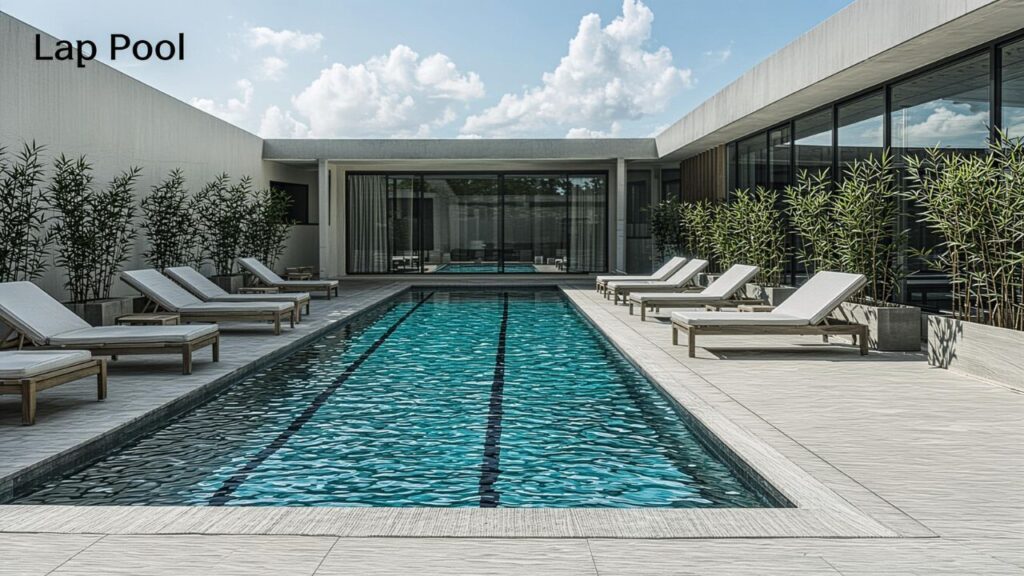
Many homeowners begin by saving beautiful pool photos, then realize later that not every design works for their lot, budget, climate, or daily routine. That is why this guide looks beyond the photo itself. You will learn how to read each design like a homeowner, not just like someone scrolling for ideas.
Table of Contents
- What Pictures of Lap Pools Can Teach You Before You Build
- Lap Pool Basics: Meaning, Size, and Best Uses
- Pictures of Lap Pools for Narrow Backyards
- Layout Ideas That Make a Lap Pool Feel Natural
- Choosing the Right Length, Width, and Depth
- Materials, Finishes, and Water Color Choices
- Design Details That Make Lap Pools Look High-End
- Budget, Maintenance, and Real-Life Planning
- Mistakes to Avoid When Saving Lap Pool Inspiration
- FAQs About Lap Pool Designs
- Conclusion
What Pictures of Lap Pools Can Teach You Before You Build
The best pool images do more than show blue water and clean tile. They show proportion, flow, privacy, shade, safety, and how the pool connects to the house. A photo can tell you whether a pool feels like part of the architecture or like something placed awkwardly into leftover space.
When reviewing pictures of lap pools, look first at the relationship between the pool and the building. Is the pool parallel to the house? Does it run along a side yard? Does it sit in the center of the garden like a design statement? These choices change the mood of the entire outdoor area.
A lap pool beside glass doors can feel like a private resort. A pool tucked along a boundary wall can turn a narrow strip of land into something useful. A pool surrounded by planting can feel softer and more natural. None of these choices is automatically better; the right one depends on your home and how you plan to use the space.
Also pay attention to what is missing from the photo. Many polished images hide pool equipment, drainage, fencing, covers, and access paths. In real life, those details matter. A good design makes them feel invisible without ignoring them.
Lap Pool Basics: Meaning, Size, and Best Uses
A lap pool is a long, narrow swimming pool designed mainly for swimming in a straight line. It can also work for water walking, low-impact workouts, cooling off, and quiet evening relaxation. Unlike a large recreational pool, it does not need a wide play area to feel useful.
Residential lap pools often fall around 30 to 75 feet in length, about 8 feet wide, and roughly 3 to 5 feet deep, depending on the design and intended use. Competitive swimming uses different standards: USA Swimming defines short course as 25 yards or 25 meters and long course as 50 meters. Home pools rarely need to match those competition dimensions unless the owner trains seriously.
That difference is important. A home lap pool does not have to be Olympic-sized to feel satisfying. For many people, a 40-foot pool with a clear swimming lane is enough for casual laps, resistance training, and daily movement. The real goal is uninterrupted motion, not bragging rights.
Why Homeowners Love Lap Pools
Lap pools appeal to people who want fitness and beauty in one space. They suit narrow lots, modern homes, wellness-focused routines, and homeowners who prefer clean lines over large party pools.
They are also emotionally appealing. There is something calming about a slim sheet of water running beside a house. It reflects light, softens hard architecture, and makes even a compact yard feel more intentional.
Common reasons homeowners choose lap pools include:
- Daily swimming without driving to a gym
- Better use of a long, narrow yard
- A cleaner modern look than a freeform pool
- Lower-impact exercise for joints and recovery
- A strong visual feature from indoor rooms
- A pool that feels peaceful rather than crowded
That said, a lap pool is not perfect for every family. If children want cannonballs, games, and wide shallow zones, a traditional pool may be a better fit. A lap pool is more focused. It rewards people who value movement, calm, and visual order.
Pictures of Lap Pools for Narrow Backyards
Some of the most useful pictures of lap pools are the ones built into tight side yards. These designs show how a space that once felt wasted can become the most loved part of the home.
In a narrow backyard, the pool usually works best when it follows the longest line of the property. This may mean placing it beside a wall, along the back of the house, or between the home and a planted border. The goal is to make the pool feel deliberate, not squeezed in.
A narrow pool can look surprisingly generous when the edges are handled well. Light paving can make the space feel wider. Dark interior finishes can create a reflective, dramatic mood. Glass fencing keeps the view open. Tall hedges or screens create privacy without making the area feel boxed in.
Side-Yard Lap Pools
Side-yard lap pools are popular because many homes have unused strips of land along one side. Instead of a plain walkway, the space becomes a private swimming lane.
This layout works well when doors or windows face the pool. From inside, the water becomes part of the view. From outside, the house wall can provide shade, structure, and a clean backdrop.
The challenge is circulation. You still need safe walking space, equipment access, and drainage. If the deck is too narrow, the pool may look good in photos but feel uncomfortable in daily use.
Courtyard Lap Pools
A courtyard lap pool sits close to the home, often framed by walls or rooms on two or more sides. This style feels intimate and architectural.
Courtyard pools are beautiful at night because lighting bounces off nearby surfaces. A few warm wall lights, underwater LEDs, and simple planting can create a soft, private atmosphere. The mood is less “backyard party” and more “quiet boutique hotel.”
Still, courtyard designs need good ventilation, splash planning, and moisture-resistant materials. The closer the water sits to the home, the more carefully the details must be handled.
Long Garden Lap Pools
If your yard has more depth, a garden lap pool can stretch through the landscape like a reflective ribbon. These designs often use stepping stones, grasses, low hedges, and simple decks to blend the pool into the garden.
This style is ideal for homeowners who do not want a hard, all-tile look. The pool still has a sharp shape, but the plants soften it. The result feels elegant without being too formal.
Layout Ideas That Make a Lap Pool Feel Natural
A lap pool layout should solve a real design problem. It should not simply copy a photo. Before choosing a layout, think about where sunlight lands, where privacy is needed, how people enter the pool, and what you want to see from inside the home.
| Layout Style | Best For | Design Feel | Watch Out For |
|---|---|---|---|
| Side-yard lap pool | Long narrow lots | Private, efficient, modern | Tight deck space |
| Courtyard lap pool | Homes with inward-facing rooms | Calm, intimate, upscale | Moisture and drainage |
| Garden lap pool | Deeper backyards | Soft, resort-like, natural | More landscaping care |
| Indoor lap pool | Cold climates or year-round use | Controlled, private, premium | Ventilation and humidity |
| Pool beside patio | Entertaining and daily use | Social but still sleek | Furniture blocking the lane |
| Raised lap pool | Sloped lots or dramatic homes | Sculptural and bold | Engineering and cost |
A good layout makes swimming feel easy. You should be able to walk to the pool naturally, enter safely, store towels nearby, and enjoy the view when no one is swimming.
Pool Placement Beside the House
Placing a lap pool beside the house creates a strong architectural line. It also allows the pool to reflect windows, walls, and roof overhangs.
This is one reason modern homes often look stunning with narrow pools. The pool repeats the geometry of the building. The water adds movement, while the straight edges keep everything calm.
The downside is splash and drainage. You do not want water collecting near the foundation or patio doors. A pool designer should plan proper falls, drains, waterproofing, and safe materials around the edge.
Pool Placement Along a Boundary Wall
Boundary-wall pools are practical and attractive. The wall provides privacy, and the pool turns a plain fence line into a design feature.
To keep the space from feeling harsh, add greenery. Slim trees, climbing plants, ornamental grasses, or raised planters can soften the wall without stealing too much width. Even one row of planting can make a long pool feel warmer.
Lighting also matters here. Wall lights, low path lights, or hidden strip lighting can stop the pool from looking like a dark channel at night.
Choosing the Right Length, Width, and Depth
Size is where many homeowners get nervous. A lap pool looks simple, but a few feet can change how it feels. Too short, and swimming becomes choppy. Too narrow, and the pool feels restrictive. Too deep, and it may cost more to heat and maintain.
Home lap pool sizes vary widely. Some design references describe typical home lap pool layouts around 30 to 50 feet long and about 10 feet wide, while builders also use longer formats for owners who want a more serious swim lane.
The right size depends on three questions:
- Are you swimming for fitness, therapy, or casual movement?
- How much usable yard space do you have after setbacks and deck space?
- Will one person swim at a time, or do you need room for two?
Common Residential Lap Pool Size Guide
| Pool Type | Approximate Size | Best Use | Design Note |
|---|---|---|---|
| Compact exercise pool | 30–35 ft long | Water walking, light laps, cooling off | Works well with swim jets |
| Standard home lap pool | 40–50 ft long | Regular home workouts | Good balance of function and space |
| Longer fitness lap pool | 60–75 ft long | Stronger swimmers | Needs more yard and budget |
| Swim-in-place pool | Shorter shell with current | Very small spaces | Current quality matters more than length |
Backyard builders often design residential lap pools in widths from about 1.5m to 4m, with 2m to 2.5m being a common sweet spot in some markets. That width gives a single swimmer enough room without turning the pool into a large recreational basin.
Depth Choices
A common home lap pool depth is around 4 feet. This works for swimming, standing, water walking, and easy entry. Deeper pools may feel more dramatic, but they can need more water, heating, and maintenance.
If diving is part of the plan, depth requirements become more serious and must follow local codes and professional safety guidance. Many residential lap pools are not designed for diving at all.
For most homeowners, consistent depth is simpler. It makes the pool easier to use, easier to cover, and often cleaner visually. A sloped floor can work, but it may interrupt the pure, calm look many people want from this style.
Materials, Finishes, and Water Color Choices
The finish of a lap pool has a huge effect on the final look. Two pools with the same size can feel completely different because of tile, plaster, coping, decking, and water color.
Light finishes create bright turquoise water. Dark finishes create deep blue, gray, or mirror-like water. White or pale stone feels airy and coastal. Charcoal tile feels moody and luxurious. Natural stone feels warmer, while concrete gives a modern gallery-like edge.
When you browse pictures of lap pools, do not only ask, “Do I like this?” Ask, “What finish is creating this feeling?” That question makes inspiration much more useful.
Popular Finish Combinations
A modern lap pool often uses a small number of materials. The fewer the materials, the calmer the space feels.
Beautiful combinations include:
- Pale limestone coping with light blue water
- Charcoal interior tile with concrete pavers
- White plaster with warm timber decking
- Glass mosaic tile with frameless fencing
- Dark pebble finish with tropical planting
- Smooth concrete deck with soft grass borders
The best finish should match the house. A rustic home may look better with stone and planting. A minimalist house may need concrete, porcelain, or large-format paving. A coastal home may suit pale decking and bright water.
Choosing Decking Around the Pool
Decking is not just decoration. It affects safety, heat, drainage, and maintenance. A surface that looks beautiful but becomes slippery or too hot can ruin the experience.
Good pool deck materials include textured stone, porcelain pavers, concrete, composite decking, and some treated timbers. In hot climates, lighter materials often feel better under bare feet. In shaded or damp areas, slip resistance becomes more important.
You should also think about width. Even if the pool itself is narrow, the surrounding space must allow people to walk, sit, clean, and enter comfortably.
Design Details That Make Lap Pools Look High-End
Luxury often comes from restraint. The most expensive-looking lap pools are not always the biggest. They are the ones where the lines, edges, lighting, and materials feel resolved.
A pool with a clean edge, hidden equipment, simple planting, and thoughtful lighting will usually look better than a larger pool filled with mismatched features. This is especially true for long narrow designs, where clutter becomes noticeable quickly.
Clean Edges and Coping
Coping frames the pool. Thick coping can feel bold and architectural. Thin coping can look sleek and minimal. A flush edge can make the water feel like a sheet of glass.
If the pool sits near the house, choose coping that connects with the patio or interior flooring. This creates a smoother transition. If the pool sits in a garden, coping can contrast slightly with planting to define the water line.
Lighting for Evening Use
Good lighting changes everything. It makes the pool safer, extends its use after sunset, and creates a mood that photos often capture beautifully.
Underwater lights create glow. Step lights improve safety. Wall lights add depth. Landscape lights make plants visible at night. The goal is not to make the yard overly bright. It is to create layers of soft light.
Planting Around a Lap Pool
Plants can make a narrow pool feel alive. They soften walls, add privacy, and bring movement to an otherwise straight design.
Use plants that fit your climate and maintenance style. Near pools, avoid messy trees that drop heavy leaves, fruit, or flowers into the water. Slender evergreens, ornamental grasses, palms, clipped hedges, and structured shrubs often work well.
The planting style should match the architecture. A modern home may suit repeated grasses and slim trees. A Mediterranean home may suit olive trees, lavender, and pale stone. A tropical home may suit palms, ferns, and layered greenery.
Budget, Maintenance, and Real-Life Planning
A beautiful lap pool is still a construction project. Cost depends on size, soil, access, materials, labor, heating, covers, lighting, permits, and equipment. Recent cost guides place many home lap pools around a national average of about $44,000, with broad ranges depending on whether the pool is above ground, in ground, basic, or luxury.
That number should be treated as a starting point, not a promise. A narrow site with difficult access can cost more than a wider yard with easy machine access. A simple vinyl or fiberglass project may cost less than a custom concrete pool with stonework, automation, and heating.
What Adds to the Cost?
The pool shell is only one part of the budget. Many homeowners are surprised by the cost of the work around the water.
Costs may rise because of:
- Excavation and soil removal
- Retaining walls or engineering
- Pool heating
- Automatic covers
- Custom tile or stone
- Drainage and waterproofing
- Fencing and safety barriers
- Lighting and electrical work
- Landscaping and irrigation changes
- Smart controls and automation
This is why inspiration photos should be paired with a realistic budget conversation. A simple-looking pool may hide expensive details.
Maintenance Expectations
Lap pools can be easier to manage than large recreational pools, but they still need care. Water chemistry, filtration, brushing, skimming, cover use, and equipment checks all matter.
Long pools can collect leaves along edges and corners. Narrow pools may show debris more clearly because the shape is so clean. If the pool is near trees, maintenance needs increase.
A pool cover can reduce heat loss, evaporation, and debris. It can also improve safety when used properly. The cover system should be planned early because it affects edges, equipment placement, and visual design.
Heating and Year-Round Use
Heating makes a lap pool more useful, especially if you want morning swims or cooler-season training. The best heating choice depends on climate, energy prices, and how often you swim.
Solar heating may suit sunny regions. Heat pumps can work well in many climates. Gas heaters warm water quickly but can cost more to run. A professional can compare options based on your location and usage.
If you plan to swim often, heating is not a luxury detail. It may be the difference between using the pool twice a week and ignoring it for months.
Mistakes to Avoid When Saving Lap Pool Inspiration
Inspiration is helpful, but it can also mislead you. A photo may look perfect because of lighting, camera angle, staging, or a very expensive site condition.
One common mistake is saving pictures of lap pools that do not match your property shape. A pool designed for a wide modern villa may not work beside a narrow suburban home. Another mistake is ignoring where people will walk, sit, dry off, and store items.
Mistake 1: Forgetting Deck Space
A lap pool needs more than water. You need space to move around it. Even a slim walkway should feel safe and comfortable.
If every inch goes to the pool, the area can feel tense. A slightly smaller pool with better circulation may feel more luxurious than a bigger pool with no breathing room.
Mistake 2: Ignoring Privacy
A long pool can expose the swimmer to nearby windows, neighbors, or street views. Privacy should be part of the first design conversation, not an afterthought.
Screens, hedges, walls, pergolas, and careful placement can solve this beautifully. The trick is to block unwanted views without making the pool feel like a corridor.
Mistake 3: Choosing Looks Over Use
Some pools photograph better than they function. Stepping stones may look stunning, but they may interrupt swimming. Lounge chairs may look stylish, but they may block the path. A raised edge may look bold, but it may make entry less comfortable.
A good lap pool should look beautiful and feel easy to use on an ordinary Tuesday morning.
Indoor Lap Pools and Swim-in-Place Alternatives
Not every lap pool belongs outside. Indoor lap pools are appealing for people who want privacy, climate control, and year-round use. They also make sense in colder regions where outdoor swimming seasons are short.
The main challenge is building science. Indoor pools need humidity control, ventilation, waterproof materials, and careful detailing. Without proper planning, moisture can damage finishes and create an unpleasant indoor environment.
Swim-in-place pools offer another route. These pools use a current so you can swim continuously without needing a long shell. They can be helpful for compact homes, therapy routines, and year-round fitness areas.
Still, the swimming experience depends heavily on the current system. A smooth, adjustable current feels very different from a turbulent one. Anyone considering this option should test a similar system before buying.
How to Match a Lap Pool to Your Home Style
The strongest designs look like they belong to the home. The pool should not feel copied from a resort if the house has a completely different mood.
For a modern home, use sharp lines, large pavers, frameless glass, and restrained planting. For a farmhouse, consider warmer stone, grass edges, and softer landscaping. For a coastal home, pale materials, breezy planting, and light water colors feel natural.
A home with brick can look beautiful with darker water and simple greenery. A white stucco house may suit turquoise water and pale stone. A timber-clad home can pair nicely with gray water, concrete, and lush planting.
The secret is not to match every material exactly. It is to create a calm conversation between the house, pool, and landscape.
FAQs About Lap Pool Designs
What is the best size for a home lap pool?
A practical home lap pool is often around 40 to 50 feet long, though smaller and larger versions can work. Serious swimmers may prefer more length, while casual users can enjoy a compact pool with a good swimming current.
Are pictures of lap pools useful for planning a real project?
Yes, pictures of lap pools are very useful when you study more than the surface style. Look at placement, deck width, privacy, entry points, shade, materials, and how the pool connects to the home.
Can a lap pool fit in a small backyard?
Yes, a lap pool can fit beautifully in a small or narrow backyard if the layout is planned carefully. Side-yard pools, courtyard pools, and swim-in-place pools are often good options for limited spaces.
How wide should a residential lap pool be?
Many residential lap pools are about 8 to 10 feet wide, though some can be narrower or wider depending on the site and swimmer needs. A single swimmer usually does not need a very wide pool, but comfort and safety still matter.
Is a lap pool cheaper than a regular pool?
Not always. A lap pool may use less width, but it can still be long, custom, and expensive to build. Cost depends on materials, excavation, access, equipment, heating, finishes, and landscaping.
What is the best depth for a lap pool?
A depth around 4 feet works well for many home lap pools because it supports swimming, standing, and water walking. Deeper designs may be needed for special uses, but diving requires careful code-compliant planning.
Do lap pools need heating?
Heating is optional, but it often makes the pool more useful. If you want early morning swims, cooler-season use, or a comfortable fitness routine, heating can make a big difference.
Are lap pools good for families?
Lap pools can work for families, but they are not the best choice for every household. They are better for swimming, relaxing, and fitness than for wide play areas, pool games, or large shallow zones.
What should I look for in modern lap pool photos?
Look for clean edges, good deck space, privacy, easy entry, balanced planting, safe lighting, and a pool shape that suits the home. The prettiest photo is not always the most practical design.
Conclusion
A lap pool is one of those rare home features that can look calm, feel useful, and support a healthier daily rhythm. It can turn a narrow side yard into a private swim lane, a courtyard into a peaceful retreat, or a simple backyard into a space that feels thoughtful and complete.
The smartest way to use pictures of lap pools is to look past the blue water. Study the proportions, materials, deck space, planting, lighting, and how the design fits the home. When the inspiration matches real-life needs, the final pool has a much better chance of being loved for years, not just admired in photos.