

Introduction
A living room is more than just a place to sit—it’s where conversations happen, guests gather, and everyday life unfolds. If you’ve ever wondered how to decorate a living room that feels warm, stylish, and functional at the same time, you’re not alone. Many homeowners struggle to balance comfort with visual appeal, especially when working with limited space or mismatched furniture.
The good news is that decorating a beautiful living room doesn’t require an expensive makeover or a professional designer. With the right layout, color palette, lighting, and decor choices, even the simplest room can feel polished and inviting.
Whether your style leans modern, cozy, minimalist, or eclectic, understanding the fundamentals of living room design can help you create a space that truly reflects your personality. This guide explores practical ideas, timeless decorating strategies, and creative inspiration to help transform your living room into one of the most loved spaces in your home.
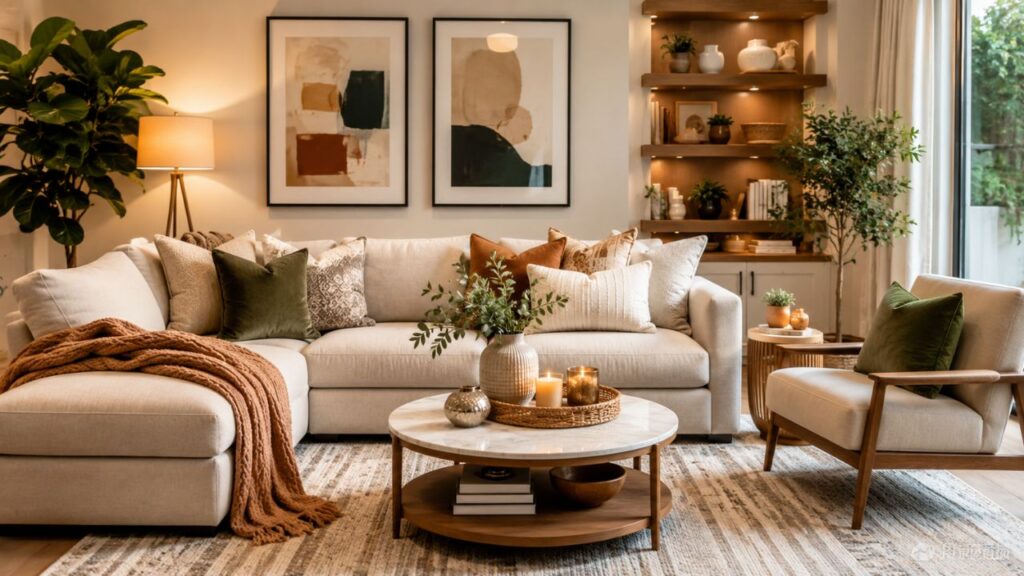
Understanding the Purpose of Your Living Room
Before choosing furniture or paint colors, it’s important to define how the space will actually be used.
Everyday Living vs Entertainment
Some living rooms are designed primarily for relaxation, while others are centered around entertaining guests.
Ask yourself:
- Will the room be used daily?
- Do you host gatherings often?
- Is it a family-friendly space?
- Will children or pets use the room?
- Do you need a work or reading corner?
Your answers will shape every decorating decision moving forward.
Creating Functional Zones
In open-concept homes, living rooms often serve multiple purposes. Dividing the space into zones can improve both function and flow.
Popular living room zones include:
- TV or media area
- Conversation seating
- Reading nook
- Workspace
- Play area
Using rugs, lighting, and furniture placement can visually separate each section without walls.
Choosing the Right Color Palette
Color plays a powerful role in shaping mood and atmosphere.
Neutral Colors for Timeless Style
Neutral palettes remain popular because they create flexibility and elegance.
Popular shades include:
- Warm white
- Beige
- Soft gray
- Taupe
- Cream
These colors make rooms feel brighter and allow furniture and accessories to stand out naturally.
Adding Accent Colors
Accent colors prevent the room from feeling flat or overly sterile.
Great accent choices include:
- Olive green
- Navy blue
- Rust orange
- Mustard yellow
- Charcoal black
Use accent tones through pillows, rugs, curtains, and artwork rather than overwhelming the room with bold walls.
How to Decorate a Living Room With the Right Furniture
Furniture forms the foundation of the entire space.
Start With the Sofa
The sofa is usually the largest and most important piece in the room.
When choosing one, consider:
- Room size
- Fabric durability
- Comfort level
- Color versatility
- Seating capacity
Neutral-colored sofas are often easier to style over time.
Coffee Tables and Side Tables
A coffee table should complement the seating arrangement without overcrowding the room.
Popular materials include:
- Wood
- Glass
- Marble
- Metal
- Rattan
Round tables work well in smaller spaces because they improve flow and reduce sharp edges.
Furniture Layout Tips for Better Flow
Even expensive furniture can feel awkward if arranged poorly.
Focus on Conversation
Arrange seating to encourage interaction rather than forcing everyone to face a television.
Ideal setups include:
- Facing sofas
- Chairs angled inward
- Central coffee tables
- Open pathways
Comfortable spacing helps the room feel welcoming and functional.
Avoid Pushing Everything Against Walls
Many people assume pushing furniture against walls makes rooms appear larger. In reality, floating furniture slightly inward often creates a more balanced and intentional design.
Use Rugs to Anchor the Space
Area rugs define the seating zone and add warmth.
A properly sized rug should:
- Extend beneath furniture legs
- Match the room scale
- Complement the color palette
Small rugs can make even large rooms feel disconnected.
Lighting Ideas That Transform a Living Room
Lighting has a dramatic impact on mood, comfort, and aesthetics.
Layer Different Light Sources
Well-designed living rooms combine multiple types of lighting:
- Ceiling fixtures
- Floor lamps
- Table lamps
- Wall sconces
- Accent lighting
Layering creates depth and flexibility throughout the day.
Maximize Natural Light
Natural light instantly makes rooms feel larger and more inviting.
To enhance daylight:
- Use sheer curtains
- Hang mirrors strategically
- Choose reflective surfaces
- Keep windows uncluttered
A bright living room naturally feels more welcoming.
Wall Decor Ideas for a Stylish Space
Empty walls can make a room feel unfinished.
Gallery Walls
Gallery walls add personality and visual interest.
Mix:
- Framed artwork
- Family photos
- Mirrors
- Typography prints
- Sculptural decor
Consistency in frame color or spacing helps maintain cohesion.
Statement Art Pieces
Large-scale artwork creates a focal point and elevates the room instantly.
Choose pieces that:
- Reflect your personality
- Complement room colors
- Fit proportionally on the wall
Oversized art often makes rooms feel more luxurious.
How to Decorate a Living Room Using Texture
Texture adds warmth, depth, and comfort to interiors.
Layer Soft Furnishings
Incorporate a mix of:
- Throw blankets
- Velvet cushions
- Woven baskets
- Linen curtains
- Plush rugs
These layers make the room feel cozy and inviting.
Mix Different Materials
Combining materials creates visual richness.
Popular combinations include:
- Wood and metal
- Leather and fabric
- Glass and stone
- Cotton and wool
Variety prevents the room from feeling flat or overly uniform.
Decorating Small Living Rooms Effectively
Small spaces require thoughtful planning.
Use Multi-Functional Furniture
Smart furniture choices maximize usability.
Helpful options include:
- Storage ottomans
- Nesting tables
- Sleeper sofas
- Floating shelves
These pieces save space while maintaining style.
Keep the Layout Open
Avoid overcrowding the room with excessive furniture or decor.
Choose:
- Slim-profile furniture
- Open-leg sofas
- Minimal accessories
- Light color palettes
Simplicity often makes small rooms feel larger.
Adding Personality to Your Living Room
A beautiful living room should feel personal rather than staged.
Incorporate Meaningful Decor
Decor becomes more engaging when it tells a story.
Include:
- Travel souvenirs
- Vintage finds
- Family heirlooms
- Handmade items
- Favorite books
These details make the room feel authentic.
Bring Nature Indoors
Plants instantly add life and freshness.
Popular indoor plants include:
- Snake plants
- Monstera
- Pothos
- Rubber plants
- Peace lilies
Greenery softens interiors and improves atmosphere.
Choosing the Right Curtains and Window Treatments
Window treatments influence both style and functionality.
Floor-Length Curtains
Long curtains create elegance and make ceilings appear taller.
For best results:
- Mount rods higher than the window
- Allow fabric to lightly touch the floor
- Choose textured fabrics
Blinds and Shades
Blinds offer cleaner lines and better light control in modern interiors.
Popular options include:
- Roman shades
- Bamboo blinds
- Roller shades
- Blackout curtains
Seasonal Living Room Decor Ideas
Refreshing decor seasonally keeps the room feeling fresh without major renovations.
Spring and Summer Styling
Warm-weather decor often includes:
- Light fabrics
- Floral accents
- Fresh greenery
- Soft colors
- Airy textures
Fall and Winter Updates
Cooler seasons call for:
- Chunky knit blankets
- Warm lighting
- Rich earthy colors
- Velvet textures
- Layered accessories
Small seasonal changes can dramatically shift the mood.
Common Decorating Mistakes to Avoid
Even stylish homes can feel off-balance when certain mistakes occur.
Buying Furniture Too Large
Oversized furniture can overwhelm a room and disrupt flow.
Always measure:
- Room dimensions
- Doorways
- Walking paths
- Furniture scale
Ignoring Lighting
Poor lighting can make beautiful decor feel dull or uninviting.
Overdecorating
Too many accessories create visual clutter.
Leave breathing room between decor items to maintain balance and elegance.
Modern Living Room Trends
Current trends emphasize comfort, sustainability, and individuality.
Organic Modern Style
This trend blends:
- Neutral tones
- Natural textures
- Curved furniture
- Minimal clutter
- Warm wood
The result feels modern yet approachable.
Sustainable Decor Choices
Eco-conscious decorating is becoming increasingly popular.
Sustainable ideas include:
- Vintage furniture
- Reclaimed wood
- Eco-friendly fabrics
- Handmade decor
- Energy-efficient lighting
Budget-Friendly Living Room Decorating Ideas
Beautiful spaces don’t require massive budgets.
Affordable Upgrades
Small changes can have a major impact:
- Rearranging furniture
- Painting walls
- Updating throw pillows
- Adding plants
- Replacing light fixtures
Shop Secondhand
Vintage and thrifted pieces often add more character than mass-produced furniture.
Look for:
- Coffee tables
- Accent chairs
- Mirrors
- Artwork
- Decorative accessories
FAQ
Frequently Asked Questions
How do I start decorating my living room?
Begin by defining the room’s purpose, choosing a color palette, and selecting key furniture pieces like the sofa.
What colors make a living room feel bigger?
Light shades such as white, beige, soft gray, and pale neutrals help create a spacious feeling.
How can I make my living room look cozy?
Layer soft textures, warm lighting, plush rugs, and comfortable seating to create a cozy atmosphere.
What is the best furniture layout for a small living room?
Use space-saving furniture, keep pathways open, and avoid overcrowding the room with unnecessary pieces.
Should all living room furniture match?
No. Mixing complementary styles and materials often creates a more interesting and personalized design.
How do I decorate a living room on a budget?
Focus on affordable updates like paint, pillows, lighting, plants, and secondhand decor finds.
What size rug works best in a living room?
A rug should be large enough for at least the front legs of furniture to rest on it comfortably.
How many colors should a living room have?
Most designers recommend a balanced palette of three main colors for harmony and visual interest.
Conclusion
Learning how to decorate a living room is really about creating a space that feels comfortable, functional, and reflective of your personality. From selecting the right furniture and lighting to layering textures and choosing meaningful decor, every design decision contributes to the atmosphere of the room.
The most beautiful living rooms aren’t necessarily the most expensive—they’re the ones that feel inviting and thoughtfully designed. Whether your style is modern, cozy, minimalist, or eclectic, focusing on balance, comfort, and authenticity can transform even the simplest space into a room you genuinely love spending time in.
With a few intentional updates and creative ideas, your living room can become the heart of your home—a place where style and everyday living come together effortlessly.