
Introduction
There’s something deeply comforting about walking into a craftsman house. Maybe it’s the warm wood details, the welcoming front porch, or the handcrafted charm that instantly makes a home feel personal. Unlike many modern homes that can feel cold or repetitive, this architectural style celebrates character, craftsmanship, and timeless beauty.
Originally rising to popularity in the early 1900s, the craftsman house became a symbol of quality living and thoughtful design. Today, homeowners are rediscovering why these homes remain so beloved. From exposed beams to built-in cabinetry and earthy color palettes, every detail feels intentional and inviting.
Whether you’re planning to buy, renovate, or simply admire this classic style, understanding what makes these homes special can help you appreciate their enduring appeal. This guide explores the history, architecture, interior design, renovation ideas, and modern adaptations that continue to make Craftsman-style living incredibly popular.
After all, a home should feel more than functional—it should feel alive, warm, and uniquely yours.
What Defines a Craftsman House?
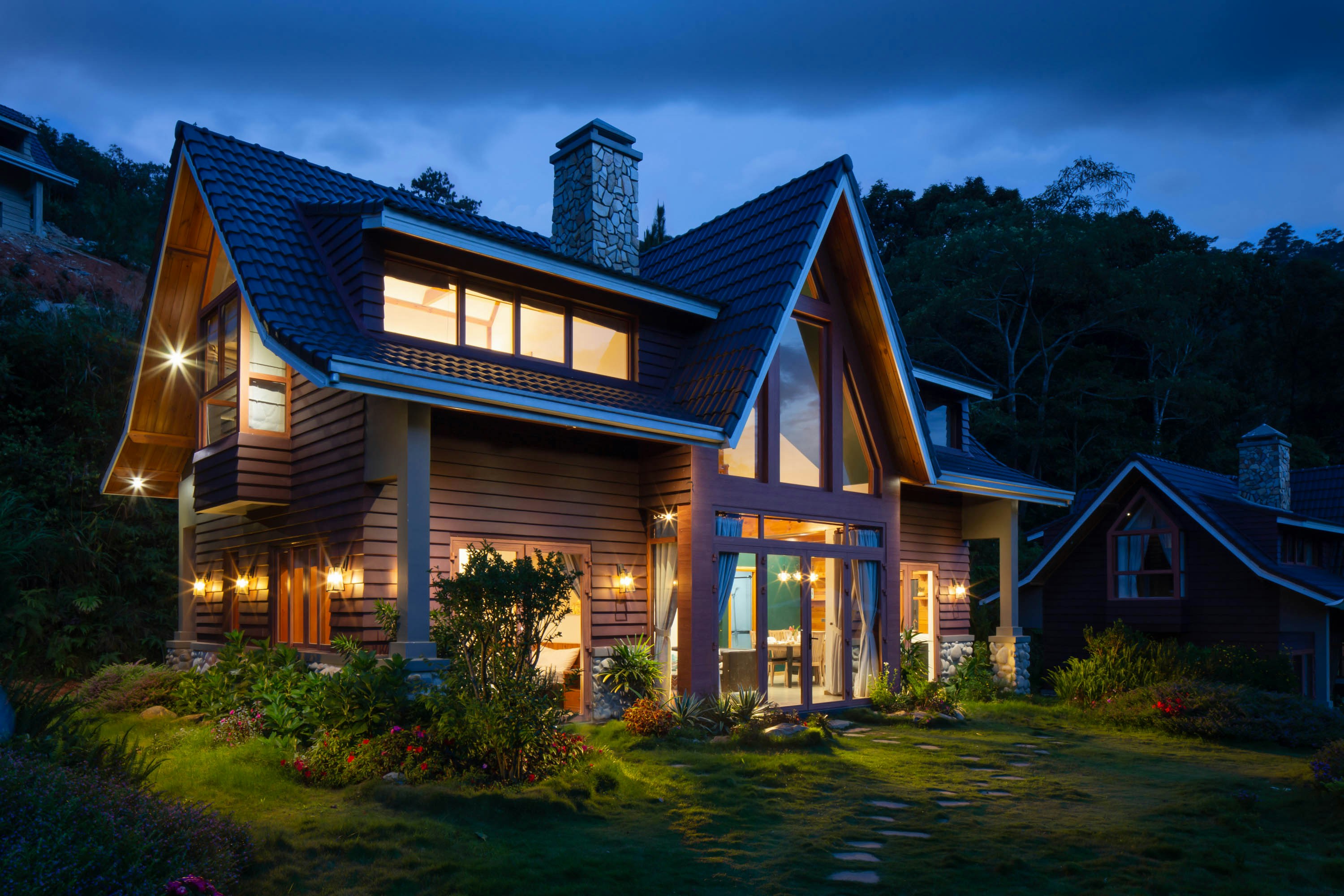
A craftsman house is an architectural style rooted in the Arts and Crafts movement of the late 19th century. The movement emphasized handcrafted quality over mass production, encouraging homes built with natural materials and exceptional detail.
Key Characteristics of Craftsman Architecture
Several defining features instantly identify a Craftsman-style home:
- Low-pitched gabled roofs
- Wide front porches
- Tapered stone or brick columns
- Exposed rafters and beams
- Built-in cabinetry and shelving
- Natural wood finishes
- Open floor plans
- Multi-pane windows
These homes prioritize comfort, functionality, and artistry. Rather than focusing on excessive ornamentation, they highlight practical beauty and skilled workmanship.
Why Homeowners Love This Style
People are drawn to Craftsman homes because they feel authentic. The architecture emphasizes warmth and human connection rather than flashy design trends.
Benefits include:
- Timeless curb appeal
- Durable construction
- Cozy, welcoming interiors
- Strong resale value
- Flexible design potential
Many homeowners also appreciate how easy it is to blend vintage charm with modern upgrades.
The History Behind the Craftsman Movement
The rise of the craftsman house was closely connected to a cultural shift during the Industrial Revolution. As factories began mass-producing furniture and decorative elements, many artists and designers pushed back against machine-made products.
Origins of the Arts and Crafts Movement
The movement began in Britain and spread to America in the early 1900s. Designers believed homes should showcase handcrafted materials, natural textures, and thoughtful artistry.
American architect Gustav Stickley played a major role in popularizing the style through his magazine The Craftsman. His designs encouraged simplicity, quality, and functionality.
Growth Across America
Craftsman homes quickly became popular in cities and suburbs across the United States, especially in California. Bungalows emerged as one of the most recognizable forms of Craftsman architecture because they were affordable yet stylish.
Today, many historic neighborhoods still feature beautifully preserved Craftsman homes that continue to attract buyers and architecture enthusiasts alike.
Exterior Features That Make a Craftsman House Stand Out
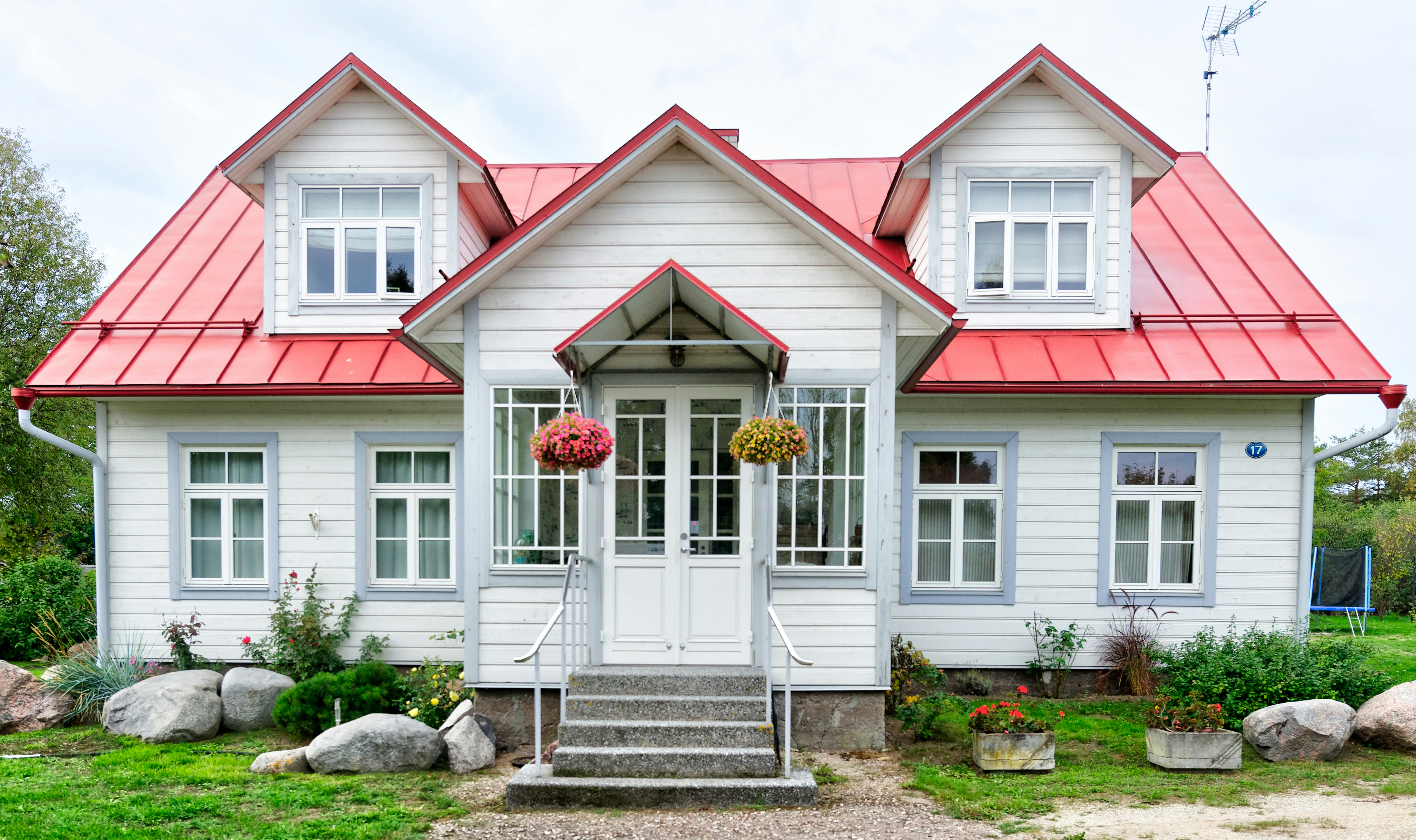
The exterior of a Craftsman home creates a strong first impression. Every design choice serves both practical and aesthetic purposes.
Welcoming Front Porches
One of the most iconic features is the large covered porch. These porches encourage relaxation and neighborhood interaction.
Common porch elements include:
- Wooden swings
- Brick or stone pillars
- Lantern-style lighting
- Wide staircases
- Decorative railings
The porch acts as an extension of the living space rather than simply an entrance.
Natural Materials and Earthy Tones
Craftsman homes heavily rely on natural textures. Stone, wood, and brick create warmth and visual depth.
Popular exterior color palettes include:
- Olive green
- Deep brown
- Warm beige
- Rust red
- Soft gray
These earthy tones help the home blend naturally with its surroundings.
Rooflines and Structural Details
Roofs are usually low-pitched with deep overhanging eaves. Exposed rafters and decorative brackets add visual interest while showcasing structural craftsmanship.
Windows often feature stained glass or divided panes, allowing natural light while maintaining privacy.
Interior Design Elements of a Craftsman Home
Inside a craftsman house, the emphasis remains on warmth, functionality, and craftsmanship.
Open Yet Cozy Layouts
Craftsman interiors typically feature open floor plans while still maintaining distinct living spaces. This balance creates flow without sacrificing comfort.
Key layout features often include:
- Central fireplaces
- Dining room built-ins
- Reading nooks
- Window benches
- Wide entryways
The goal is to create spaces that encourage family interaction and relaxation.
Signature Woodwork
Wood plays a central role in Craftsman interiors. Oak, maple, and cherry are frequently used for trim, beams, and cabinetry.
You’ll often see:
- Coffered ceilings
- Wainscoting
- Built-in bookshelves
- Hardwood floors
- Custom stair railings
These handcrafted details add richness and personality to every room.
Modern Craftsman House Designs
While traditional homes remain highly desirable, modern interpretations are becoming increasingly popular.
Blending Traditional and Contemporary Styles
Today’s homeowners often want the charm of Craftsman design combined with modern convenience.
Modern updates may include:
- Larger kitchens
- Smart home technology
- Energy-efficient windows
- Open-concept living
- Minimalist furnishings
The challenge is maintaining the handcrafted feel while improving functionality.
Popular Contemporary Features
Modern Craftsman homes frequently incorporate:
- Black-framed windows
- Mixed-material exteriors
- Neutral color palettes
- Large kitchen islands
- Spa-inspired bathrooms
These updates allow homeowners to enjoy classic architecture without sacrificing modern comfort.
Renovating a Craftsman House Without Losing Its Character
Renovating an older Craftsman home requires careful planning. Many original details are worth preserving because they contribute to the home’s unique identity.
Preserve Original Architectural Details
When renovating, prioritize restoring rather than replacing whenever possible.
Important elements to preserve include:
- Original wood trim
- Built-in furniture
- Vintage tilework
- Leaded glass windows
- Hardwood flooring
Restoration often increases both charm and resale value.
Upgrade Systems Thoughtfully
Older homes may need electrical, plumbing, or insulation upgrades. These improvements should remain hidden whenever possible to maintain the historic appearance.
Consider:
- Energy-efficient HVAC systems
- Updated wiring
- Modern plumbing fixtures
- Insulated windows matching original styles
Kitchen and Bathroom Updates
The kitchen and bathroom are often the most heavily renovated areas.
Successful renovations usually combine:
- Shaker-style cabinetry
- Subway tile backsplashes
- Farmhouse sinks
- Brass or matte black hardware
- Warm wood accents
This approach keeps the renovation aligned with Craftsman aesthetics.
Landscaping Ideas for a Craftsman House
Landscaping plays an important role in enhancing curb appeal.
Native Plants and Natural Design
Craftsman landscaping typically emphasizes harmony with nature.
Popular choices include:
- Lavender
- Ferns
- Hydrangeas
- Ornamental grasses
- Japanese maples
Stone pathways and wooden garden structures complement the architectural style beautifully.
Outdoor Living Spaces
Many homeowners extend the Craftsman lifestyle outdoors with:
- Fire pits
- Pergolas
- Outdoor dining areas
- Porch seating
- Garden lighting
These additions create a seamless connection between the house and nature.
Common Floor Plans in Craftsman Homes
The layout of a Craftsman home is designed for practical family living.
Bungalow Floor Plans
Bungalows are compact yet efficient. They usually feature:
- One or one-and-a-half stories
- Open living and dining spaces
- Built-in storage
- Front-facing porches
These homes remain popular among first-time buyers and retirees.
Larger Craftsman Layouts
Larger Craftsman homes often include:
- Multiple bedrooms
- Formal dining rooms
- Dedicated offices
- Mudrooms
- Detached garages
Even larger versions retain the cozy atmosphere associated with the style.
Best Decor Styles for Craftsman Interiors
Decorating a Craftsman home requires balance. The architecture itself already contains strong visual character.
Furniture Choices
Mission-style furniture works particularly well because it complements the handcrafted aesthetic.
Look for:
- Solid wood furniture
- Leather seating
- Clean lines
- Earth-toned fabrics
- Handmade décor
Avoid overly modern or ultra-glossy finishes that clash with the home’s warmth.
Lighting and Accessories
Lighting should feel soft and inviting.
Popular options include:
- Tiffany-style lamps
- Bronze fixtures
- Lantern pendants
- Warm LED lighting
Decor accessories should emphasize craftsmanship rather than excess decoration.
Energy Efficiency in Older Craftsman Homes
Older homes can present efficiency challenges, but improvements are possible without sacrificing charm.
Smart Upgrades
Helpful energy-efficient upgrades include:
- Attic insulation
- Weather stripping
- Solar panels
- Efficient appliances
- Double-pane windows
These updates can significantly reduce utility costs while maintaining architectural integrity.
Sustainable Materials
When renovating, many homeowners choose eco-friendly materials such as:
- Reclaimed wood
- Low-VOC paint
- Bamboo flooring
- Recycled countertops
Sustainability aligns naturally with the Craftsman philosophy of quality and longevity.
Buying a Craftsman House: What to Know
Purchasing a historic home can be exciting, but it’s important to inspect carefully.
Areas to Inspect Closely
Pay special attention to:
- Foundation stability
- Roof condition
- Electrical systems
- Plumbing
- Water damage
Older homes may require significant maintenance depending on their condition.
Why Buyers Still Prefer Craftsman Homes
Despite maintenance considerations, buyers continue choosing Craftsman homes because they offer:
- Unique architectural identity
- Strong emotional appeal
- Timeless beauty
- Lasting craftsmanship
These homes often stand out in neighborhoods filled with more generic designs.
Regional Variations of Craftsman Architecture
Not all Craftsman homes look exactly alike. Regional influences created several distinct variations.
California Craftsman
California versions often feature:
- Stucco exteriors
- Red-tiled roofs
- Extensive landscaping
- Indoor-outdoor living spaces
Midwest Craftsman
Midwestern homes tend to emphasize:
- Brick construction
- Larger floor plans
- Enclosed porches
- Practical layouts for colder weather
Pacific Northwest Craftsman
These homes often showcase:
- Dark wood siding
- Deep roof overhangs
- Forest-inspired color palettes
- Stone fireplaces
Each region adapted the style to local climate and materials.
FAQ
Frequently Asked Questions
What is the difference between a bungalow and a Craftsman house?
A bungalow refers to the size and layout of a home, while Craftsman describes the architectural style. Many bungalows are designed in the Craftsman style.
Are Craftsman homes expensive to maintain?
Maintenance costs vary depending on age and condition. Older homes may require more upkeep, especially for woodwork and roofing.
Why are Craftsman homes so popular?
People love them for their timeless design, handcrafted details, cozy interiors, and strong curb appeal.
Can a Craftsman house have modern interiors?
Yes. Many homeowners successfully blend modern kitchens, smart technology, and updated finishes while preserving original character.
What colors work best for Craftsman homes?
Earthy tones like olive green, warm brown, gray, beige, and rust red complement the style beautifully.
Do Craftsman homes hold their value?
Generally, yes. Well-maintained Craftsman homes often have excellent resale value because of their enduring popularity.
What flooring is common in Craftsman homes?
Hardwood flooring—especially oak and maple—is most commonly associated with Craftsman interiors.
Are Craftsman homes energy efficient?
Older homes may need upgrades, but modern insulation, windows, and HVAC systems can greatly improve efficiency.
Conclusion
A craftsman house represents far more than a design trend. It reflects a philosophy centered on quality, comfort, artistry, and meaningful living. From the welcoming front porch to the handcrafted wood details inside, every element contributes to a home that feels personal and enduring.
In a world increasingly dominated by fast construction and uniform designs, Craftsman architecture continues to stand out because it values authenticity. Whether preserved in its original form or thoughtfully modernized, this style remains one of the most beloved choices for homeowners seeking warmth, character, and timeless beauty.
For anyone dreaming of a home that feels inviting the moment you walk through the door, few styles capture that feeling quite like a Craftsman home.