

There is something quietly powerful about a well-styled book shelf. It holds your stories, your passions, your memories—and it tells every visitor something meaningful about who you are the moment they walk through the door. Whether you live in a sprawling family home or a compact city apartment, the right bookshelf can completely transform a space, adding personality, warmth, and an undeniable sense of intentional living.
Over the past few years, bookshelf styling has evolved from a purely functional exercise into a genuine art form. Social media feeds are flooded with breathtaking bookshelf inspo that blurs the line between storage and sculpture. People are no longer just stacking books—they are curating entire visual narratives on their shelves, weaving together literature, art objects, plants, and personal mementos into something that feels uniquely their own.
But with so many options on the market and so many bookshelf ideas floating around online, it can feel genuinely overwhelming to know where to start. What style fits your space? Which materials will last? How do you actually make a bookshelf look good rather than just functional? This guide answers all of those questions in depth—with practical advice, real design principles, and enough bookshelf inspiration to fuel your next home project from start to finish.
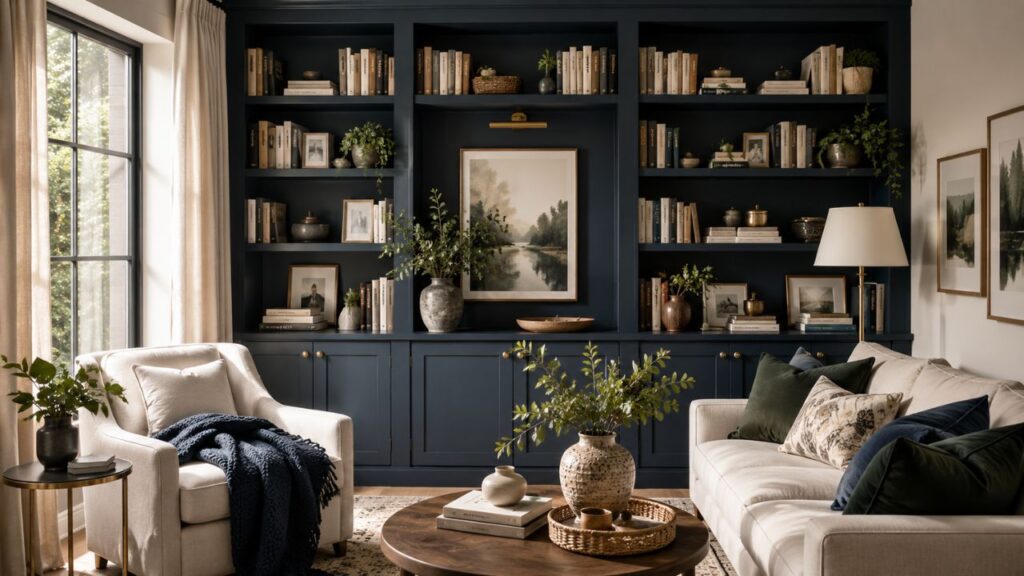
Why the Right Book Shelf Matters More Than You Think
Most people treat a bookshelf as background furniture—something to buy once and ignore forever. But interior designers will tell you something different: the bookshelf is often the emotional anchor of a room. It draws the eye, it commands a wall, and it creates the kind of layered visual interest that makes a space feel lived-in and loved rather than sterile and staged.
Beyond aesthetics, the practical case for investing in quality book shelves is equally compelling. A sturdy, well-designed bookshelf keeps your reading materials accessible, reduces clutter, and can even double as a room divider or display cabinet. In open-plan homes, a thoughtfully chosen bookshelf can define zones without the need for solid walls—giving you privacy and structure while keeping the space feeling open and airy.
The Psychology of a Styled Bookshelf
There is genuine psychological research behind why we respond so warmly to well-curated shelves. The combination of books, objects at varying heights, and deliberate empty space triggers what psychologists call ‘complexity with order’—a visual state that our brains find deeply satisfying. It is the same reason we find natural landscapes appealing: they are varied but not chaotic.
When you invest time in thoughtful bookshelf ideas, you are not just decorating—you are creating an environment that subtly supports focus, creativity, and calm. Researchers studying home environments have consistently found that personalized, well-organized spaces reduce stress and increase a sense of control and well-being. Your bookshelf, in other words, can do more for your mental health than you might expect.
Modern Bookshelf Styles That Are Dominating Interior Design
The world of bookshelf design has never been more exciting. From minimalist floating shelves to grand floor-to-ceiling library walls, there is a modern bookshelf style to suit virtually every interior aesthetic and budget. Understanding the major categories will help you narrow down your options and invest in something that genuinely serves your space.
Floating Shelves: The Minimalist’s Dream
Floating shelves have dominated cool bookshelves lists for a decade now, and the reason is simple: they create the illusion of more space. By mounting directly to the wall with no visible brackets or frame, they make rooms feel larger and airier. They are particularly popular in contemporary and Scandinavian-inspired interiors where clean lines and uncluttered spaces are the guiding principles.
For smaller rooms, a series of floating shelves arranged asymmetrically can be one of the most impactful book shelf ideas you will ever try. Stagger them at different heights, mix wider and narrower planks, and combine books with small potted plants or ceramic objects for a look that feels deliberately curated rather than casually assembled.
Built-In Bookshelves: The Grand Statement
If floating shelves are the introvert of bookshelf design, built-ins are the extrovert. A full wall of custom built-in book shelves is among the most dramatic transformations you can make to a home’s interior—it signals commitment, personality, and a genuine love of reading. Real estate agents often cite built-in bookshelves as one of the features that most reliably increases buyer enthusiasm during home tours.
The challenge with built-ins is cost and permanence. They require skilled carpentry, and once installed, they define the room. The good news is that several furniture companies now offer modular systems that mimic the built-in look without the construction project—allowing you to achieve that stunning bookshelf inspiration you have been pinning for years without knocking down walls.
Ladder Shelves: Versatile and Visually Dynamic
The ladder bookshelf has proven to be one of the most enduring best bookshelves designs of the past decade. Leaning against a wall at a gentle angle, with shelves that widen toward the base, the ladder shelf brings a casual, almost architectural quality to any corner it occupies. It works particularly well in bedrooms, home offices, and reading nooks where it can stand quietly beside a comfortable chair.
What makes the ladder shelf especially appealing as a bookshelf idea is its accessibility. It is easy to move, requires no wall mounting, and fits into almost any budget. Entry-level versions in pine or metal can be found for very little, while premium versions in solid walnut or powder-coated steel add genuine design weight to a room.
Best Bookshelves by Material: What to Choose and Why
Material choice is one of the most consequential decisions you will make when selecting a bookshelf. It determines weight capacity, longevity, aesthetic compatibility with your existing furniture, and maintenance requirements. Here is a breakdown of the most common options to help you make a confident decision.
- Solid Wood: The gold standard for durability and warmth. Oak, walnut, maple, and pine are the most popular choices. Solid wood bookshelves age beautifully, can bear heavy loads, and can be refinished if damaged.
- Engineered Wood (MDF/Plywood): Significantly more affordable than solid wood and highly resistant to warping. Most flat-pack bookshelves from major furniture retailers use MDF or particleboard. Quality varies widely—look for thicker panels and solid back panels.
- Metal: Industrial and contemporary, metal frames paired with wood or glass shelves are among the coolest bookshelves available today. Powder-coated steel and cast iron frames are extremely durable and add a raw, architectural quality.
- Glass: Rarely used for entire structures but popular for individual shelves. Glass shelves make a space feel lighter and are ideal for displaying objects rather than stacking heavy books.
- Bamboo: An increasingly popular eco-friendly option. Bamboo is surprisingly strong, grows rapidly (making it a sustainable choice), and has a beautiful natural grain that suits both traditional and contemporary interiors.
Book Shelf Ideas for Every Room in Your Home
One of the most exciting things about the current wave of bookshelf inspiration sweeping interior design is that there are no longer any rules about where a bookshelf belongs. Yes, the living room and home office are traditional territory. But the most creative book shelf ideas today are pushing bookshelves into the kitchen, the bedroom, the hallway, and even the bathroom—with stunning results.
Living Room: Making a Statement with Book Shelves
The living room is the natural home for a statement bookshelf. In this space, the best bookshelves serve double duty as storage and as focal point. The classic approach is to flank a fireplace or television with matching built-in book shelves, creating a symmetrical composition that feels both grand and grounded. But asymmetrical arrangements—a single oversized freestanding bookshelf positioned at one end of the room—can be equally striking.
Color-coordinating your books is one of the most widely shared bookshelf inspo techniques on social media, and it genuinely works. Arranging books by spine color—grouping whites, creams, and neutrals together; collecting bold blues and greens in another section—transforms a functional bookshelf into something that looks almost like a piece of art.
Home Office: Functional Bookshelf Inspiration That Works
In the home office, the bookshelf needs to work harder than almost anywhere else in the house. It must hold reference materials within easy reach, look professional on video calls, and not overwhelm a space that already contains a desk, chair, and technology. A wall-mounted modern bookshelf directly behind your desk chair is one of the most effective setups—it creates a polished backdrop for calls and keeps essentials within arm’s reach.
For those who work with a lot of physical documents and reference books, a dedicated floor-to-ceiling shelving system with adjustable shelf heights is worth the investment. The ability to reconfigure shelves as your needs change is invaluable in a working environment—what starts as a bookshelf can evolve into a hybrid display and filing system over time.
Bedroom: Cool Bookshelves That Double as Headboards
One of the most innovative cool bookshelves ideas of recent years is the bookshelf headboard. Rather than a traditional padded headboard, this approach involves building or buying a low bookshelf unit designed to sit directly behind the bed—putting your current reads, a bedside lamp, a small plant, and personal objects all within arm’s reach while you lie in bed. It is practical, personal, and undeniably beautiful.
For smaller bedrooms, consider vertical space. A tall, narrow bookshelf tucked into a corner makes excellent use of height without consuming valuable floor area. Painted the same color as the surrounding walls, it can almost disappear visually while still providing substantial storage—one of the most practical and underrated book shelf ideas for compact spaces.
How to Style a Bookshelf: Design Principles That Actually Work
Knowing which bookshelf to buy is only half the challenge. The other half—arguably the more creative and rewarding half—is learning how to style it well. The most spectacular bookshelf inspo images you find online are rarely accidental. They are the result of deliberate choices made using a handful of repeatable design principles that anyone can learn.
The Rule of Three and Why It Transforms Book Shelves
Interior designers swear by the rule of three: objects grouped in odd numbers are more visually interesting than those grouped in even numbers. When styling each shelf, aim to create clusters of three—a stack of horizontal books, a small ceramic vase, and a trailing plant, for instance. This grouping creates visual rhythm without tipping into chaos. Apply it across your entire bookshelf and the result will feel cohesive and considered.
Vary Heights and Depths for Maximum Visual Interest
A bookshelf in which every item stands at exactly the same height looks rigid and lifeless. The solution is simple: mix vertical books with horizontal stacks, add objects at varying heights, and deliberately place some items closer to the shelf edge while pushing others toward the back. This variation in depth creates layers that draw the eye inward—making the bookshelf feel richer and more complex than it actually is.
Embrace Negative Space—Empty Shelf Space Is Not Wasted
One of the most common mistakes people make when styling book shelves is overfilling every single inch. Resist this impulse. Deliberate empty space—what designers call negative space—is essential for allowing the eye to rest and for giving the objects that are displayed room to breathe. A shelf that is approximately 70% full will almost always look better than one that is crammed to capacity.
Bookshelf Inspiration: Top Trends Shaping Home Libraries Right Now
Design trends move fast, but the best bookshelf ideas tend to have staying power because they are rooted in practicality as much as aesthetics. Here are the bookshelf trends that are genuinely resonating with homeowners and interior designers right now—not just fleeting social media fads.
Dark Academia: Moody, Atmospheric Bookshelf Inspo
Dark academia has moved from an aesthetic subculture to a full-blown interior design trend, and nowhere is it more at home than on a bookshelf. The signature dark academia bookshelf leans into deep, rich tones—mahogany wood, leather-bound classics, antique brass objects, dried flowers, and the occasional skull or astronomical globe. It is moody, intellectual, and deeply atmospheric.
Achieving this look does not require a fortune. Paint the inside back wall of your bookshelf a deep forest green or ink blue, add a few inexpensive vintage accessories sourced from thrift stores, and arrange your books with their spines facing backward for a unified neutral palette. The result is a genuinely stunning piece of bookshelf inspo that costs very little to achieve.
Biophilic Design: Bringing Nature Into Your Bookshelf
Biophilic design—the intentional incorporation of natural elements into interior spaces—is one of the dominant themes in contemporary home decor, and bookshelves are among its most natural canvases. Trailing pothos or ivy weaving between book spines, small succulents arranged at the front of shelves, air plants tucked into decorative objects—all of these bring life and movement to a bookshelf in ways that are deeply satisfying.
Natural wood tones, woven baskets for concealed storage, and ceramic vessels in earthy colors all contribute to a biophilic bookshelf aesthetic that feels warm, grounded, and genuinely welcoming. It is one of those bookshelf ideas that suits virtually any home style—from modern minimalism to rustic farmhouse—because it borrows its palette directly from nature.
Maximalism: More Is More When Done With Intention
After years of minimalism’s dominance, maximalism is making a confident comeback—and nowhere does it look better than on a generously stocked book shelf. The maximalist bookshelf is full, layered, and deeply personal. It holds not just books but collections: vintage cameras, travel souvenirs, framed photographs, pressed flowers under glass, and stacks of beloved magazines.
The key to a maximalist bookshelf that reads as intentional rather than chaotic is color cohesion. By loosely coordinating the colors of displayed objects—even while varying wildly in scale and material—you create a visual throughline that holds the chaos together. This is genuinely some of the most exciting bookshelf inspiration available today for those who love bold, personality-driven interiors.
A Practical Buying Guide for the Best Bookshelf
With so many options available at every price point, choosing the best bookshelf for your specific needs requires a clear framework. Before you buy, work through these key considerations—they will save you from making a purchase you regret.
- Measure First: Always measure the wall space and ceiling height before buying. Leave at least two inches of clearance at the top, and account for baseboards at the bottom.
- Assess Your Load: Calculate the approximate weight of what you plan to store. A shelf of heavy hardbacks weighs significantly more than one filled with paperbacks and decorative objects. Look for weight capacity specifications and err on the side of caution.
- Consider Adjustability: Fixed shelf heights are fine for purely decorative use but frustrating for practical storage. Adjustable shelves offer far more flexibility and extend the useful life of the bookshelf.
- Back Panel Matters: A bookshelf with a solid back panel provides significantly more structural support than an open-back design. It also provides a backdrop that makes displayed objects and books pop visually.
- Safety First for Families: If you have young children or pets, ensure tall bookshelves can be secured to the wall. Anti-tip straps are an essential safety measure that should never be overlooked.
Keeping Your Book Shelves Looking Their Best
Even the most beautiful bookshelf will lose its impact if it is not properly maintained. Dust is the primary enemy—it accumulates rapidly on horizontal surfaces, dulling colors and creating a tired, neglected appearance. A quick pass with a microfiber duster every week or two is sufficient to keep most bookshelves looking sharp.
For wooden bookshelves, occasional treatment with a good quality furniture wax or oil will keep the wood nourished and prevent cracking or surface dullness. Avoid placing wooden book shelves in direct sunlight, which can cause fading and warping over time. Solid wood bookshelves that have been properly maintained can genuinely last for generations—a compelling case for buying quality from the start.
Frequently Asked Questions About Book Shelves
What is the difference between a book shelf and a bookcase?
The terms are often used interchangeably, but there is a subtle distinction. A book shelf typically refers to a single shelf or a simple open shelving unit without enclosed sides or a top. A bookcase, by contrast, is a fully enclosed cabinet-style unit with a back panel, enclosed sides, and often a top. In everyday usage, however, most people use both terms to describe the same type of freestanding shelving furniture.
How deep should a bookshelf be for standard books?
For standard paperback and hardback books, a shelf depth of 25–30 cm (10–12 inches) is sufficient. Oversized art books and coffee table books may require depths of up to 35 cm (14 inches). If you are planning to display objects alongside books, a slightly deeper shelf—around 30–35 cm—gives you the flexibility to layer items front-to-back.
What are the most popular bookshelf styles right now?
The most popular bookshelf styles currently include minimalist floating shelves, modern industrial designs with metal frames and wooden shelves, built-in library-style wall units, and the sleek Scandinavian aesthetic characterized by clean lines and light wood tones. Dark academia-inspired bookshelves with rich wood tones and antique accessories are also having a significant moment in interior design right now.
How do I make my bookshelf look more stylish?
Start by editing ruthlessly—remove anything that does not add visual value. Then apply the rule of three when grouping objects, vary the heights and depths of items on each shelf, and introduce negative space by leaving some shelf areas deliberately empty. Adding a few plants, mixing horizontal and vertical book stacks, and coordinating colors loosely will dramatically improve the overall appearance of any bookshelf.
Are floating shelves strong enough for heavy books?
It depends entirely on the quality of the shelf and the installation. Budget floating shelves mounted with poor-quality brackets into plasterboard alone are not suitable for heavy book collections. However, high-quality floating shelves mounted into wall studs with heavy-duty fixings can support substantial loads—some are rated to hold well over 50 kg per shelf. Always follow the manufacturer’s weight guidelines and use a stud finder for installation.
What wood is best for a bookshelf?
For durability and visual appeal, oak and walnut are widely considered the finest choices for solid wood bookshelves. Oak is particularly hard-wearing and takes staining beautifully, making it highly versatile aesthetically. Walnut has a richer, darker grain that suits more sophisticated interiors. Pine is an excellent budget-friendly option—it is softer and more prone to dents but has genuine warmth and can be painted or stained in any color.
How do I prevent a tall bookshelf from tipping over?
Anti-tip wall straps are the most effective solution—they anchor the top of the bookshelf to a wall stud and are virtually invisible in use. Most tall bookshelves come with anti-tip hardware included; if yours does not, inexpensive furniture straps are readily available. Additionally, distribute heavier books across the lower shelves to keep the center of gravity low.
Can I use a bookshelf as a room divider?
Absolutely—using a bookshelf as a room divider is one of the most practical and visually interesting bookshelf ideas for open-plan living spaces. An open-back, double-sided bookshelf allows light to pass through while creating a sense of separation between zones. Choose a unit that is tall enough to create definition (at least 180 cm / 6 feet) but ensure it is properly stabilized so it cannot tip.
Conclusion
A book shelf is so much more than a place to store books. At its best, it is a daily source of inspiration, a window into your inner world, and a piece of furniture that rewards every investment of time, thought, and creativity you bring to it. Whether you are drawn to the clean lines of a modern bookshelf, the grandeur of a full built-in library wall, or the relaxed charm of a ladder shelf covered in plants and paperbacks, the right bookshelf is out there waiting for you.
The abundance of bookshelf inspiration available today means there has never been a better time to experiment. Start with a single shelf, try a few styling techniques, and see what resonates. The most extraordinary bookshelves in the world were not assembled in a day—they evolved slowly, shelf by shelf, book by book, object by treasured object.
So take your time. Invest in quality where it matters. Let your bookshelf grow with you. And enjoy the deeply human pleasure of building a space that is unmistakably, wonderfully yours.