

Introduction
Some rooms are designed to impress guests. The laundry room is different; it has to impress you on a normal Tuesday when socks are missing, towels are piled up, and the washer has just beeped for the third time.
A black laundry room can turn that everyday chore zone into a space that feels calm, stylish, and surprisingly grown-up. Black adds depth, hides small marks better than pale finishes, and gives even a compact utility area a confident look.
This topic matters because laundry rooms work hard. They handle moisture, detergent, lint, baskets, pet supplies, cleaning products, and sometimes muddy shoes. When the room is poorly planned, it feels stressful fast. When the design is thoughtful, laundry day feels less like a punishment and more like a smooth routine.
The goal is not to make the room dark for the sake of being dramatic. The goal is to use black in a way that supports storage, lighting, durability, and comfort. Done well, the result feels polished, practical, and welcoming.
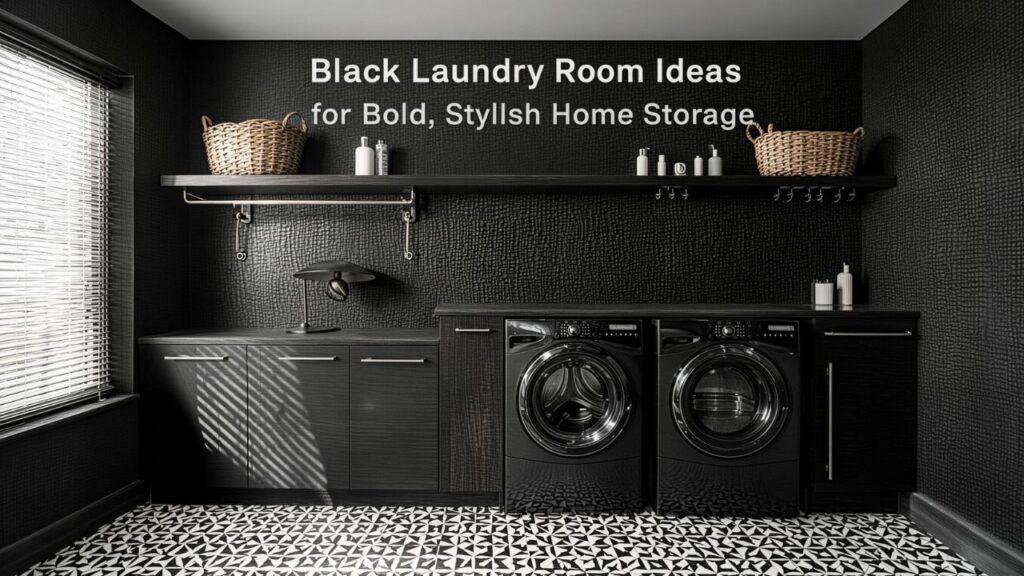
Table of Contents
- Why dark laundry designs work so well
- What to know before choosing dark finishes
- Style ideas for every home
- Layout planning for small and large laundry rooms
- Storage, counters, and cabinets that make the room easier to use
- Lighting, flooring, and wall finishes
- Appliances, energy use, and everyday function
- Budget planning and material choices
- Common design mistakes to avoid
- FAQs
- Conclusion
Why dark laundry designs work so well
Definition: A dark laundry design uses black, charcoal, graphite, or deep painted finishes on cabinets, walls, tile, shelves, doors, or trim to create contrast and structure in a washing area.
A black laundry room works because it gives a small service space a real design identity. Many laundry rooms are treated as afterthoughts, with plain white walls, wire shelves, and no sense of finish. Black changes that mood instantly. It can make budget cabinets look more expensive, help white appliances feel intentional, and create a crisp frame around wood, brass, stone, or patterned tile.
There is also a practical reason people like dark finishes here. Laundry areas are exposed to lint, scuffs, detergent drips, cleaning bottles, and constant hand traffic. While black is not magic, satin or semi-gloss dark paint can hide some small marks better than flat pale paint. It also gives the eye a strong anchor, which helps open shelves and mixed storage look more organized.
That said, balance is everything. A room with black floors, black walls, black cabinets, and weak lighting can feel cramped. A better approach is contrast: black lower cabinets with light counters, black walls with white shelving, or black cabinets beside warm butcher block. The result has drama without gloom.
USA Décor Idea is your destination for creative home styling inspiration, modern interior trends, and unique decoration ideas that help make every living space stylish, comfortable, and beautifully designed. Cute Homes Decor shares cozy room inspiration, charming decorative styles, and beautiful home décor ideas perfect for creating a warm and inviting atmosphere. Decrative offers elegant decorative inspiration, creative interior styling concepts, and modern décor ideas designed to enhance the beauty and comfort of your home naturally.
What to know before choosing dark finishes
Definition: Dark finishes include paint, stain, tile, laminate, metal, and hardware in black, near-black, or deep gray tones. The finish level matters because laundry rooms deal with water, heat, dust, and frequent cleaning.
Before you buy paint or order cabinets, look at the room in real life. Does it have a window? Is the ceiling low? Are the washer and dryer white, stainless, or black? Do you need space for hanging clothes? These details affect whether black should be the main color or an accent.
Natural light makes dark colors easier to use. If the room has a window, black cabinets or a black accent wall can feel rich instead of heavy. If there is no window, keep the ceiling and some wall areas light. Use brighter bulbs, reflective tile, or a pale counter to stop the room from feeling closed in.
Ventilation matters too. Laundry rooms often hold detergents, stain removers, paint touch-up cans, and cleaning supplies. The EPA notes that VOCs can be released by products such as paints, lacquers, cleaning supplies, building materials, and adhesives; it also reports that many VOC concentrations are often higher indoors than outdoors. Choose low-VOC paint when possible, store products carefully, and keep the room ventilated during projects or heavy cleaning.
Decorative Post adds a stylish and elegant touch to any indoor or outdoor space. Designed to enhance the beauty of gardens, pathways, fences, patios, and home décor, this post combines durability with attractive design. Whether used for lighting, signage, support, or decoration, a Decorative Post creates a polished and sophisticated look while improving the overall appearance of your space.
Best black finishes for laundry areas
Painted cabinets are the most common choice because they offer a strong look without rebuilding the room. For cabinet doors, satin and semi-gloss finishes usually clean more easily than flat paint. Matte black can look beautiful, but it may show fingerprints on frequently touched surfaces.
Black tile is another strong option. A black floor with light grout can look graphic, while black grout with patterned tile can hide everyday dirt. For walls, black zellige-style tile, subway tile, or vertical tile can add texture behind a sink or folding counter.
Hardware can soften or sharpen the mood. Brass warms the room. Chrome feels clean. Matte black on black cabinets creates a quiet, modern look. Wood knobs or leather pulls can make the space feel more relaxed.
Black laundry room ideas for every home style
Definition: Style direction is the visual mood of the room. It comes from color, cabinet shape, lighting, flooring, trim, and the small details that make the room feel personal.
The best black laundry room ideas do not all look the same. One home may need a moody modern space with slab cabinets and concrete-look floors. Another may need a farmhouse corner with black shaker cabinets, open oak shelves, and a checked runner. The color can bend to many styles if the surrounding materials are chosen with care.
Modern and minimal
For a modern look, use flat-front cabinets, simple pulls, clean counters, and limited decor. A stacked washer and dryer can sit inside a tall cabinet surround. Add a stone-look counter for folding and one slim shelf for detergent jars or baskets.
Keep the palette controlled. Black, white, gray, and one warm accent are enough. The room should feel quiet, not empty. A single framed print, a ribbed glass light, or a wood folding board can keep the space from looking cold.
Farmhouse and cottage
A dark laundry space can still feel cozy. Choose shaker cabinets, beadboard, apron-front sinks, woven baskets, and wood shelves. Black works beautifully with cream walls, warm oak, unlacquered brass, and vintage-style lighting.
This style is forgiving because it welcomes texture. A painted door, patterned floor tile, or gingham curtain under a utility sink can make the room feel lived-in instead of staged.
Industrial and urban
Industrial laundry rooms often use black metal shelving, concrete floors, exposed pipes, wire baskets, and utility lighting. This approach can be great in basements, lofts, and garages.
To avoid a harsh look, add one warm material. Wood shelves, a tan runner, or soft linen baskets can break up the harder surfaces. Even a small plant near the window can help.
Traditional and tailored
If your home leans classic, black can feel elegant. Use inset-style cabinets, crown molding, polished nickel hardware, marble-look counters, and a framed shade on the window. A checkerboard floor can also create a timeless mood.
This design works especially well when the laundry room is near visible living spaces. Instead of feeling like a utility closet, it feels like part of the home’s overall style.
Layout planning for small and large laundry rooms
Definition: Layout planning means arranging appliances, counters, storage, sink, doors, and walking paths so the room supports the way you actually do laundry.
A beautiful room can still fail if the layout is annoying. Before choosing colors, sketch the routine. Where does dirty laundry enter? Where do clean clothes get folded? Where do hang-dry items go? Where do detergents, stain sprays, and dryer sheets live?
A dark laundry room can be tiny, narrow, square, or part of a mudroom. The shape matters less than the workflow. The best layouts reduce steps and keep the most-used items close to the machines.
Small laundry closet
In a closet, vertical storage is your friend. Stack the washer and dryer if possible, then use the side wall for a slim shelf, hooks, or a pull-out ironing board. If the machines sit side by side, add a counter above them for folding.
Use black in measured doses. Black cabinet doors, a black back wall, or black trim can create style without swallowing the space. White side walls and a light ceiling help keep the closet breathable.
Galley laundry room
A galley layout has two long sides. It can be very efficient, but it can also feel tight. Keep one side focused on machines and counter space. Use the opposite side for shallow cabinets, hooks, hampers, or a hanging rail.
If the room is narrow, avoid deep shelves at face height. They can make the walkway feel squeezed. Lower closed storage and upper open shelving often feel lighter.
Laundry mudroom combo
This room has to work harder because it handles shoes, coats, bags, pet leashes, sports gear, and laundry. Black built-ins can be useful here because they ground the chaos.
Add bench seating, hooks, cubbies, and durable flooring. Closed cabinets are helpful for cleaning products and overflow items. A washable runner can soften the floor and catch dirt before it spreads.
Larger utility room
A larger room gives you more freedom. You may have space for a sink, tall broom cabinet, folding island, drying rack, second refrigerator, or pet-washing station. The challenge is making the room feel organized rather than scattered.
Use zones. Keep laundry supplies near the washer. Keep cleaning products near the sink. Keep bulk storage in tall cabinets. The more defined the zones are, the calmer the space feels.
Storage, counters, and cabinets that make the room easier to use
Definition: Laundry storage includes cabinets, drawers, shelves, hampers, rails, baskets, hooks, and hidden compartments that help the room stay clean and useful.
Storage is the difference between a nice-looking makeover and a room that actually helps you. A moody laundry room with no storage will still become messy. A simple room with smart cabinets can feel peaceful every day.
Think in categories. You need space for washing supplies, backup products, lost socks, lint tools, cleaning cloths, ironing items, hangers, and maybe pet supplies. If everything has a clear place, the room stays calmer.
| Storage Need | Best Solution | Why It Helps |
|---|---|---|
| Detergent and pods | Upper cabinet or shelf | Keeps supplies close to washer |
| Stain removers | Small pull-out or basket | Easy to grab during sorting |
| Dirty clothes | Built-in hamper drawers | Reduces floor piles |
| Clean folding | Counter over machines | Saves time and back strain |
| Hang-dry clothes | Wall rail or ceiling rack | Protects delicate fabrics |
| Cleaning tools | Tall utility cabinet | Hides brooms, mops, and sprays |
| Lost socks | Small labeled bin | Stops tiny items from disappearing |
| Pet items | Lower drawer or basket | Keeps leashes and towels ready |
Cabinets
Cabinets are the backbone of a tidy laundry room. Upper cabinets hide visual clutter and keep cleaning products out of reach. Lower cabinets can hold bulk items, tools, and extra towels.
If your room is narrow, choose shallower cabinets where possible. If you have tall ceilings, take cabinets upward and use the highest shelves for rarely used items. Add a step stool nearby if needed.
Counters
A folding counter is one of the most useful upgrades. If machines are front-loading and side by side, a counter above them creates an instant work surface. Choose a finish that can handle damp clothes, detergent spills, and repeated wiping.
Light counters look excellent against dark cabinets. White quartz, pale laminate, butcher block, or marble-look surfaces can all work. For a warmer feel, wood is lovely, but it should be sealed well.
Open shelves
Open shelves are pretty and practical when used lightly. They are good for baskets, glass jars, folded towels, and a few decorative items. They are not ideal for every cleaning bottle you own.
Try this simple styling method: one-third storage, one-third useful daily items, and one-third breathing space. The shelf will feel styled but still honest.
Lighting, flooring, and wall finishes
Definition: Laundry room finishes are the visible surfaces that handle daily wear: lighting, floors, walls, counters, trim, tile, and backsplashes.
Light is what makes or breaks a dark design. A moody laundry design needs layered lighting, not one tired ceiling bulb. Use overhead light for the whole room, task lighting over counters, and softer accent lighting if the space has shelves or glass cabinets.
For bulbs, look for enough brightness to sort dark clothes from navy or charcoal. A warm white light can make the room feel cozy, but very yellow bulbs may distort clothing colors. A neutral warm range often feels comfortable for home use.
Flooring should be durable and easy to clean. Laundry rooms can face drips, lint, dust, and occasional leaks. Porcelain tile, luxury vinyl plank, sealed concrete, and water-resistant sheet flooring are common choices. If you use wood, confirm it can handle moisture and cleaning.
Wall treatments
Paint is the easiest option, but it is not the only one. Wallpaper can add charm, especially above a wainscot or behind shelves. Tile is excellent near sinks and folding counters. Beadboard can add cottage texture. Slat walls can make a modern room feel warmer.
If you paint the walls black, consider keeping trim, ceiling, or shelving lighter. If you paint cabinets black, you may want softer walls. The room should have contrast, not just darkness.
Backsplashes
A backsplash protects the wall and adds detail. White subway tile creates contrast. Black tile creates a seamless look. Patterned tile can make a small laundry room feel special without decorating every wall.
For a practical choice, choose grout that will not make you nervous. Laundry rooms are not always spotless, and that is fine. The finish should support real life.
Appliances, energy use, and everyday function
Definition: Functional planning means choosing appliance placement, utility access, maintenance space, and energy-smart habits that make laundry easier over time.
Appliances are the center of the room, so design around them first. Check door swing, vent location, hose access, and clearance before installing counters or cabinets. A gorgeous cabinet wall becomes frustrating if you cannot pull the washer forward for service.
A dark palette pairs well with white, stainless, graphite, or black appliances. White machines pop against dark cabinets. Stainless feels sleek. Black appliances can create a seamless built-in effect, especially with light counters and good lighting.
Laundry is also a room where efficiency matters. ENERGY STAR says the average American family washes about 300 loads of laundry per year, and certified clothes washers use about 20% less energy and 30% less water than regular washers. It also estimates lifetime energy savings of about $530 for certified models.
Everyday details people forget
Small details can make laundry feel easier:
- A small trash bin for lint and dryer sheets
- A rod for hangers
- A drip area for damp items
- A place for laundry baskets
- Labels for shared family storage
- A fold-down ironing board
- A lint roller and fabric shaver drawer
- A charging outlet if the room doubles as a command center
These things are not glamorous, but they are the reason a room works after the photos are taken.
Budget planning and material choices
Definition: Budget planning means deciding where to spend, where to save, and which upgrades will have the biggest daily impact.
This kind of laundry room can be done on a small budget or as a full custom renovation. Paint is the most affordable path. Cabinets, counters, tile, lighting, plumbing, and electrical work raise the price.
If money is tight, start with paint, better lighting, shelves, baskets, and hardware. Those changes can transform the room quickly. If you have more room in the budget, add custom cabinets, a counter over the machines, tile backsplash, and a utility sink.
| Budget Level | What to Focus On | Best Value Move |
|---|---|---|
| Low budget | Paint, hooks, shelves, baskets | Paint cabinets or one accent wall |
| Mid budget | Counter, lighting, cabinet upgrades | Add a folding surface over machines |
| Higher budget | Custom storage, tile, sink, built-ins | Build full-height storage around appliances |
Where to save
Save on decorative items, open shelf styling, basic hardware, and DIY painting if you have the skill and patience. Simple baskets can look beautiful when repeated. Ready-made cabinets can look custom with filler strips, trim, and matching paint.
Where to spend
Spend on lighting, moisture-resistant materials, solid counters, proper ventilation, and safe electrical or plumbing work. These things affect comfort and durability. A cheap light fixture that leaves the room dim will bother you every week.
Common design mistakes to avoid
Definition: Design mistakes are choices that look good at first but make the laundry room harder to use, clean, maintain, or enjoy.
Even a stylish laundry room can go wrong if the details are ignored. The most common problem is using too much dark color without enough light. A moody room should still be easy to work in.
Another mistake is forgetting appliance access. Washers, dryers, hoses, filters, and vents need maintenance. Leave enough clearance to move machines and reach connections. Built-ins should look finished, but they should not trap appliances.
Avoid these common issues:
- Flat black paint on high-touch cabinet doors
- No counter space for folding
- No place for baskets
- Poor lighting near machines
- Blocking dryer vents or water shutoff valves
- Open shelves packed with clutter
- Flooring that cannot handle water
- Cabinets installed before checking appliance dimensions
- No hanging space for delicate clothes
- Hardware that catches on clothing
The room should feel useful first and beautiful second. When both happen together, it feels special without becoming fussy.
Color balance mistakes
Black needs breathing room. If every surface is dark and matte, the room may feel smaller than it is. Add contrast through a pale counter, reflective tile, wood, woven baskets, or a light ceiling.
Also watch undertones. Some black paints lean blue, green, brown, or purple. Test swatches in the actual room during morning, afternoon, and evening. The color you loved in a store may look different under laundry room lighting.
Storage mistakes
Too many open shelves can become visual noise. Too many closed cabinets can make the room feel heavy. A mix is usually best.
Consider what you reach for daily. Keep those items easy to access. Put bulk detergent, seasonal cleaning products, and extra supplies higher or lower. Design should reduce friction, not create a puzzle.
FAQs
Is black a good idea for a small laundry space?
Yes, it can work beautifully in a small space when the lighting and contrast are right. Use black on cabinets, trim, or one wall, then balance it with light counters, pale walls, or reflective tile. Good lighting keeps the room from feeling tight.
What colors go well with black in a laundry room?
White, cream, warm wood, brass, brushed nickel, soft gray, beige, sage green, and marble-look surfaces all pair well with black. For a cozy look, add wood and woven baskets. For a sharper look, use white tile and metal hardware.
Should I use matte or satin black paint?
Satin is often easier for laundry cabinets because it wipes better than flat paint. Matte black looks refined but can show fingerprints and scuffs. For walls, washable matte or eggshell can work if the room does not get heavy hand traffic.
How do I make a dark laundry room feel brighter?
Use layered lighting, pale counters, a light ceiling, mirrors or glossy tile, and open shelving. Also keep the floor from becoming too dark unless the room has strong lighting. A bright runner can help soften the look.
Are black cabinets hard to keep clean?
They can show dust, lint, and fingerprints, especially in a laundry area. Choose a wipeable finish and keep a microfiber cloth nearby. Black cabinets are not maintenance-free, but they can still be very practical.
What flooring looks best with black laundry cabinets?
Patterned tile, white-and-black tile, pale wood-look flooring, gray porcelain, and warm luxury vinyl plank can all look good. Choose flooring for moisture resistance first, then style.
Can I mix black cabinets with white appliances?
Yes. White appliances can look crisp against dark cabinetry. Add a white counter, white tile, or light walls so the appliances feel connected to the design rather than random.
What is the best budget makeover for this style?
Paint one wall or the cabinets black, add better lighting, install a simple shelf, and use matching baskets. Swap old hardware for brass, nickel, or matte black pulls. These changes can refresh the room without a full renovation.
Conclusion
A black laundry room is not just a bold design choice. It is a way to make a hardworking space feel intentional, organized, and even a little enjoyable.
The secret is balance. Use dark finishes where they add depth, then soften them with light, wood, texture, and practical storage. Think through the daily routine before choosing shelves, cabinets, counters, and lighting.
When the design supports real life, laundry stops feeling like a forgotten chore in a forgotten room. It becomes a space with rhythm, comfort, and quiet confidence.