

A backyard can look ordinary for years, then one smart project turns it into the place everyone wants to gather. A Outdoor Kitchen Contractor helps make that happen without the stress, guesswork, and expensive mistakes that often come with outdoor cooking spaces.
This topic matters because an outdoor kitchen is not just a grill with counters around it. It involves layout, weatherproof materials, appliance choices, plumbing, electrical work, gas lines, drainage, lighting, ventilation, and local code rules. Done well, it feels effortless. Done badly, it can become a costly headache.
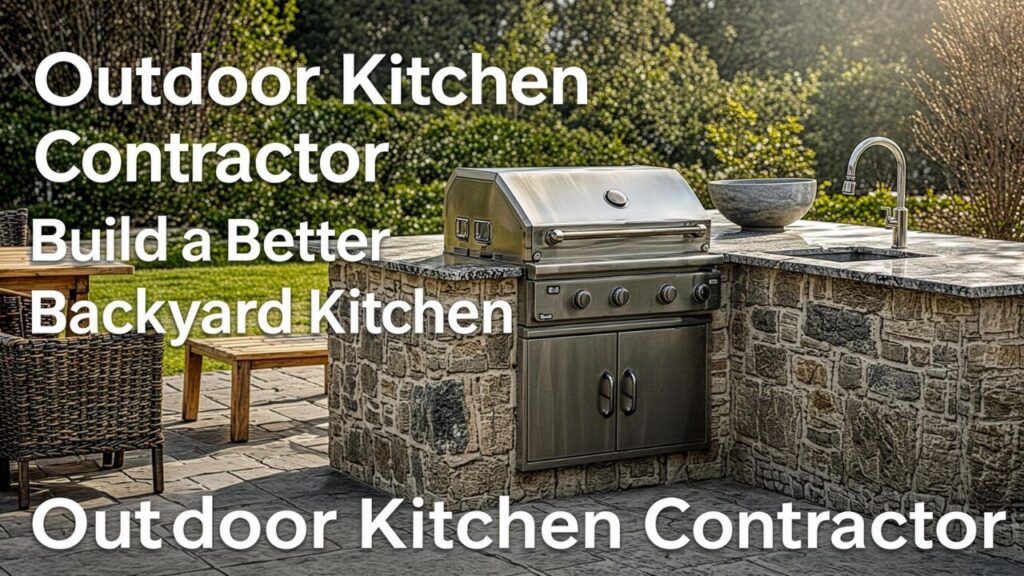
Homeowners are also paying more attention to outdoor living. The American Institute of Architects reported outdoor living spaces and blended indoor-outdoor areas among the top exterior features growing in popularity in its 2025 Home Design Trends Survey.
That said, not every backyard needs a luxury build. Some families only need a small grill island and prep counter. Others want a full cooking zone with a sink, fridge, pizza oven, storage, bar seating, and covered dining. The real win is building the right kitchen for your space, budget, climate, and lifestyle.
Table of Contents
- What Does an Outdoor Kitchen Contractor Actually Do?
- Why Outdoor Kitchens Are Becoming a Smart Home Upgrade
- How an Outdoor Kitchen Contractor Turns a Backyard Into a Cooking Space
- Outdoor Kitchen Cost: What Homeowners Should Expect
- Best Layouts for Outdoor Kitchens
- Materials That Last Outside
- Permits, Utilities, and Safety Details You Should Not Ignore
- When Hiring an Outdoor Kitchen Contractor Makes More Sense Than DIY
- How to Compare Quotes Without Getting Confused
- Questions to Ask an Outdoor Kitchen Contractor Before You Sign
What Does an Outdoor Kitchen Contractor Actually Do?
An outdoor kitchen specialist plans, builds, and manages the parts of a backyard cooking space that must work together. This can include masonry, framing, countertops, built-in appliances, utility connections, drainage, shade structures, lighting, flooring, and weather protection.
A reliable Outdoor Kitchen Contractor is not only thinking about how the space looks on day one. They are also thinking about how it drains after rain, how smoke moves, how close the grill sits to walls or rooflines, how people walk around the cooking area, and whether the materials can survive heat, sun, moisture, and freeze-thaw cycles.
For example, imagine a homeowner who wants a grill, sink, and fridge beside the pool. It sounds simple. But the contractor has to consider splash zones, electrical safety, slip-resistant flooring, plumbing access, drainage, fridge ventilation, counter height, sun exposure, and whether the person cooking can still talk to guests. That is where experience starts to matter.
A good contractor may handle the whole project or coordinate with licensed specialists such as electricians, plumbers, gas fitters, masons, landscape designers, and appliance installers. For bigger outdoor living spaces, this coordination is often the difference between a smooth build and a messy one.
Why Outdoor Kitchens Are Becoming a Smart Home Upgrade
Outdoor kitchens are popular because they solve a real lifestyle problem. People want to cook, relax, and host without feeling stuck inside while everyone else enjoys the patio. A grill alone helps, but a planned kitchen creates a true outdoor room.
MarketResearch.com, summarizing Fixr’s 2025 Outdoor Living Trends Report, noted that indoor-outdoor design and outdoor kitchens remain leading trends. The same trend coverage reported pizza ovens, dedicated bar areas, seamless dining integration, and full appliance setups as popular outdoor kitchen features.
There is also an emotional reason behind the trend. A backyard kitchen can turn a normal Saturday evening into something memorable. Kids sit at the counter. Friends gather near the grill. Someone opens drinks from the outdoor fridge. The host is part of the conversation instead of running back and forth from the indoor kitchen.
From a resale angle, outdoor improvements can also influence buyer perception. The National Association of Realtors reported that 97% of NAR members believe curb appeal is important in attracting a buyer, and 98% believe it is important to a potential buyer.
In reality, resale value depends on the market. A backyard kitchen in a warm climate, near a pool, or in a neighborhood where outdoor entertaining is common may feel more valuable than the same project in a region with a short outdoor season. That is why design fit matters more than simply adding expensive appliances.
How an Outdoor Kitchen Contractor Turns a Backyard Into a Cooking Space
How an Outdoor Kitchen Contractor plans the project usually starts with questions, not tools. They need to know how you cook, how often you host, how many people you serve, whether you want casual family meals or party-style entertaining, and how much maintenance you are willing to handle.
The planning process often includes:
- Measuring the patio, deck, yard, or pool area
- Checking the surface for level, drainage, and structural support
- Reviewing sun, wind, smoke, and privacy issues
- Choosing a grill, burner, fridge, sink, storage, or pizza oven
- Planning utility runs for gas, water, drainage, and electrical
- Matching counters, cabinets, stone, pavers, and lighting
- Confirming permit and inspection needs
- Setting a realistic build schedule
One small design choice can change the whole experience. Put the grill too far from seating, and the cook feels isolated. Place the sink without proper drainage, and maintenance becomes annoying. Choose cabinets that are not outdoor-rated, and they may swell, rust, or fade. Forget task lighting, and evening cooking becomes frustrating.
A smart layout usually creates zones. The National Kitchen & Bath Association describes four useful outdoor kitchen zones: cooking, cooling, clean-up, and storage. It also highlights outdoor-rated appliances, ventilation, layout planning, and appliance selection as major parts of a complete outdoor kitchen design.
That zone-based thinking keeps the kitchen practical. The grill should have landing space nearby. The fridge should be easy to reach without blocking the cook. Trash should be close enough for prep work. Storage should keep utensils, covers, and cleaning supplies protected. None of this is flashy, but it makes the space feel better every day.
Outdoor Kitchen Cost: What Homeowners Should Expect
Outdoor kitchen pricing can vary a lot because no two spaces are exactly the same. A small grill island on an existing patio costs far less than a custom stone kitchen with a roof, sink, fridge, lighting, bar, pizza oven, and long utility runs.
Angi’s 2026 cost guide lists a normal outdoor kitchen installation range of $6,285 to $26,925, with an average cost of $16,424. It also notes that luxury builds can exceed $60,000, depending on size, materials, features, and location.
| Project Type | Typical Features | Best For | Budget Pressure |
|---|---|---|---|
| Basic grill island | Built-in grill, small counter, limited storage | Small patios and simple cooking | Lower |
| Mid-range outdoor kitchen | Grill, prep space, storage, lighting, maybe fridge | Family use and casual hosting | Moderate |
| Full outdoor cooking zone | Grill, sink, fridge, bar, pizza oven, seating | Frequent entertaining | Higher |
| Luxury outdoor room | Kitchen, roof, fireplace, audio, heaters, custom stone | High-end outdoor living | Highest |
The best way to control cost is to decide what you truly need before choosing finishes. Many people start with a dream list, then trim it after seeing the utility costs. Running water, gas, and electrical lines can be worth it, but they should serve a real purpose.
Here is a simple example. A homeowner may want a sink because it feels complete. But if the outdoor kitchen sits near the indoor kitchen door, a sink may add plumbing, drainage, winterization, and permit complexity without much daily benefit. On the other hand, for a poolside kitchen far from the house, that same sink may be worth every dollar.
Cost should not be judged by the first number alone. A cheap build can become expensive if materials fail, counters crack, cabinets rust, or appliances are installed without enough ventilation. It is better to spend carefully than to spend twice.
Best Layouts for Outdoor Kitchens
The best outdoor kitchen layout depends on space, cooking style, and traffic flow. The right plan should let the cook move naturally while guests stay close enough to enjoy the moment without standing in the hot zone.
Straight Island Layout
A straight island is simple, clean, and space-friendly. It works well along a patio edge, deck railing, or backyard wall. This layout often includes a built-in grill, counter space, and storage underneath.
It is a good choice for smaller yards because it avoids crowding the patio. However, the counter must be long enough to include landing space on both sides of the grill. Without that, the cook has nowhere to place plates, tools, trays, or cooked food.
L-Shaped Layout
An L-shaped kitchen gives more prep space and creates a natural hosting corner. It can separate cooking from serving, which feels helpful during gatherings. One side may hold the grill and prep counter, while the other side works as a bar or serving area.
This layout is popular because it feels like a real kitchen without taking over the whole yard. It also works nicely near a pergola, covered patio, or poolside seating area.
U-Shaped Layout
A U-shaped layout is more complete and usually works best in larger spaces. It gives strong storage, prep, and serving capacity. It can also make the cook feel surrounded by useful surfaces.
The downside is space. If the walkway is too tight, the kitchen feels cramped. If the U shape blocks traffic, guests may constantly walk through the work zone. A professional layout review helps avoid that problem.
Outdoor Bar Layout
An outdoor bar layout is ideal for people who entertain often. It may include a grill behind the counter, bar seating facing the cook, an undercounter fridge, and a drink station.
The emotional value is huge. Guests can sit, talk, and relax while food is prepared. For many families, this becomes the most used part of the backyard.
Materials That Last Outside
Outdoor kitchen materials need to handle weather, heat, moisture, grease, UV exposure, and cleaning. Indoor materials usually do not survive well outside, even if they look beautiful at first.
| Area | Better Outdoor Choices | Be Careful With | Why It Matters |
|---|---|---|---|
| Countertops | Granite, concrete, porcelain, stainless steel | Some marbles, indoor quartz in direct sun | Heat, staining, and UV resistance matter |
| Cabinets | Stainless steel, marine-grade polymer, masonry | Indoor wood cabinets | Moisture can warp or rot weak materials |
| Flooring | Pavers, stone, textured concrete, outdoor tile | Slippery tile | Outdoor kitchens need grip and drainage |
| Frame | Concrete block, steel framing, masonry | Untreated wood | Structural materials must resist weather |
| Backsplash | Stone, tile rated for exterior use, stainless steel | Indoor wall tile | Freeze-thaw and heat can cause failure |
Granite is popular because it can handle outdoor conditions well when properly selected and sealed. Stainless steel is strong and easy to clean, but lower-grade steel may rust in coastal or humid areas. Concrete can look beautiful, though it needs proper sealing and skilled installation.
Cabinets deserve special attention. This is where some homeowners lose money. A cabinet that looks fine in a showroom may not be made for rain, humidity, snow, or strong sun. Ask whether the product is rated for exterior use, how it drains, how it ventilates, and what the warranty actually covers.
For a warm and natural look, many homeowners use stone veneer or masonry bases. These can blend beautifully with patios, retaining walls, and landscape features. Still, the structure underneath matters. If the base is poorly built, the finish can crack or shift over time.
Permits, Utilities, and Safety Details You Should Not Ignore
Permits may feel boring, but they protect your money and your home. Outdoor kitchens can involve gas, plumbing, electrical circuits, drainage, structural changes, fire clearances, and appliance installation rules. Skipping this step can create safety risks, failed inspections, insurance problems, or trouble during resale.
The International Code Council notes that outdoor kitchens can still fall under residential code considerations. It highlights issues such as manufacturer installation instructions, listed appliances, grill clearances, gas line installation, outdoor receptacles, water supply, drainage, and the importance of checking with the local building department.
A safe build should consider:
- Grill clearance from walls, ceilings, windows, doors, and roof overhangs
- Ventilation for built-in grills and enclosed cabinets
- Gas shutoff access and properly protected gas lines
- GFCI-protected outlets where required
- Outdoor-rated lighting and appliances
- Proper drainage around sinks, patios, and counters
- Non-slip flooring in wet zones
- Heat-safe surfaces near cooking equipment
- Local inspection requirements
One common mistake is placing a grill under a roof without thinking about smoke, grease, and heat. In some cases, a vent hood may be needed. In other cases, the grill should move to a safer open-air location. The right answer depends on the appliance, roof structure, local rules, and manufacturer instructions.
Another overlooked detail is drainage. Water should not sit around cabinet bases or flow toward the house. If the patio slope is wrong, the kitchen may look great in photos but become annoying after every heavy rain.
When Hiring an Outdoor Kitchen Contractor Makes More Sense Than DIY
When Hiring an Outdoor Kitchen Contractor Makes More Sense Than DIY is usually when the project includes utilities, custom masonry, built-in appliances, a roof structure, a sink, a gas line, electrical work, or a major patio change. DIY can work for a freestanding grill station, but permanent outdoor kitchens are different.
DIY mistakes are often expensive because they hide inside the build. A cabinet may not ventilate correctly. A counter may not be supported well. A gas line may be placed awkwardly. A sink may drain poorly. A grill may sit too close to combustible surfaces. These problems may not show up until the kitchen is already finished.
Professional help makes sense when:
- You want built-in appliances
- You need gas, water, or electrical connections
- The patio needs grading, pavers, or concrete work
- The kitchen will sit under a roof or pergola
- You want a sink or drainage line
- You need permits and inspections
- You care about warranty protection
- You want the design to match the home and landscape
That does not mean every task requires a high-end contractor. Some homeowners save money by buying furniture, decor, planters, or loose seating themselves. Others handle simple cleanup or painting. But the core build, utilities, and safety-related work should be handled with care.
A useful middle path is to ask the contractor what can be simplified without hurting performance. Sometimes a shorter counter, a modular cabinet system, or a different appliance choice can reduce cost while keeping the design strong.
How to Compare Quotes Without Getting Confused
Outdoor kitchen quotes can be hard to compare because each contractor may include different details. One proposal may include demolition, permits, utility work, appliances, counters, and cleanup. Another may only include the island structure and basic labor. The lower price is not always the better deal.
Start by asking each contractor to break the estimate into clear parts:
- Design and planning
- Demolition or site prep
- Patio, concrete, pavers, or foundation work
- Framing or masonry base
- Cabinets and storage
- Countertops
- Appliances
- Gas, plumbing, and electrical work
- Lighting
- Permits and inspections
- Cleanup and warranty
Then compare the scope line by line. If one quote includes outdoor-rated stainless steel cabinets and another includes a cheaper cabinet material, the price difference may make sense. If one quote includes a licensed electrician and another leaves electrical work vague, ask for clarification before signing.
The 2025 Cost vs. Value Report from Zonda and JLC compares remodeling costs and resale value across 28 common projects. While it does not make every outdoor kitchen decision for you, it reinforces a useful point: exterior improvements and curb appeal can carry strong buyer appeal when planned well.
A trustworthy quote should feel specific. Vague phrases like “install outdoor kitchen” or “finish as discussed” can lead to disputes later. Ask for product names, model numbers, material grades, allowance amounts, payment schedule, projected timeline, and warranty details.
Here is a simple comparison table you can use before choosing:
| Quote Item | Contractor A | Contractor B | Contractor C | Notes |
|---|---|---|---|---|
| Appliance models listed | Yes/No | Yes/No | Yes/No | Avoid vague appliance allowances |
| Permit handling included | Yes/No | Yes/No | Yes/No | Confirm who pays fees |
| Utility work included | Yes/No | Yes/No | Yes/No | Gas, water, electric, drainage |
| Material grades stated | Yes/No | Yes/No | Yes/No | Cabinets, counters, frame, stone |
| Timeline included | Yes/No | Yes/No | Yes/No | Include start and completion estimate |
| Warranty written | Yes/No | Yes/No | Yes/No | Labor and product warranties differ |
| Cleanup included | Yes/No | Yes/No | Yes/No | Prevent surprise charges |
Questions to Ask an Outdoor Kitchen Contractor Before You Sign
Questions to Ask an Outdoor Kitchen Contractor Before You Sign can protect you from poor planning, weak materials, and unclear pricing. A good professional should welcome serious questions because they show that you care about the result.
Ask these questions before paying a deposit:
- Have you built outdoor kitchens similar to my project?
- Can I see photos of finished work and at least one recent reference?
- Are you licensed and insured for this type of project?
- Who handles permits, inspections, and utility coordination?
- Which parts are done by your team, and which parts use subcontractors?
- Are the appliances and cabinets rated for outdoor use?
- What clearances are needed around the grill?
- How will the kitchen drain after rain?
- What happens if hidden problems appear during construction?
- What is included in the written warranty?
- How are change orders priced and approved?
- What payment schedule do you use?
Do not rush this part. The contractor’s answers tell you more than the price. If they explain clearly, show past work, discuss safety, and put details in writing, that is a good sign. If they avoid questions, pressure you to decide quickly, or give vague answers, be careful.
Design Mistakes That Can Ruin an Outdoor Kitchen
Even expensive outdoor kitchens can disappoint when the design ignores daily use. The most common mistakes are not always dramatic. They are small annoyances that happen again and again until the space stops feeling fun.
A few mistakes to avoid include:
- Not enough counter space beside the grill
- No landing area for hot trays
- Poor lighting over the cooking surface
- Cabinets that are not weather-rated
- A fridge placed in direct hot sun without airflow
- Seating too close to smoke or heat
- Slippery flooring near pools or sinks
- No storage for tools, covers, and cleaning supplies
- Ignoring wind direction
- Forgetting trash and recycling space
- Choosing finishes that clash with the home
The best outdoor kitchens feel connected to the house. The colors, stone, metal, tile, and lighting should not look like a random island dropped into the yard. They should feel like part of the property.
Think about movement too. Guests should not have to squeeze behind the cook. Kids should not run through the hot zone to reach the lawn. The host should not walk twenty steps every time they need a plate. Simple flow planning makes the space safer and more comfortable.
Outdoor Kitchen Features Worth Considering
Features should match how you live. A pizza oven looks exciting, but it may not be worth it if you rarely cook pizza or bread. A sink may be useful for prep, but not if plumbing costs swallow the budget. A fridge is convenient, but only if it is outdoor-rated and placed correctly.
Useful features often include:
- Built-in grill with proper ventilation
- Side burner for sauces, seafood, or boiling
- Prep counter with durable surface
- Weatherproof storage drawers
- Outdoor-rated refrigerator
- Trash pullout
- Task lighting
- Bar seating
- Covered dining area
- Ceiling fan or patio heater
- Easy-clean backsplash
- Lockable storage if the kitchen is exposed
For families who host often, a drink station can reduce traffic inside the house. For serious cooks, a side burner and large prep counter may matter more than a fancy bar. For quiet evenings, warm lighting and comfortable seating may be more valuable than extra appliances.
There is no single “perfect” outdoor kitchen. There is only the setup that supports your habits. The more honest you are about how you cook and entertain, the better the final result will feel.
Maintenance Tips for a Long-Lasting Backyard Kitchen
Outdoor kitchens need regular care. They face rain, sun, dust, leaves, grease, insects, and temperature changes. Even strong materials last longer when maintained well.
Basic maintenance includes:
- Clean grill grates and grease trays often
- Wipe counters after cooking
- Cover appliances when not in use
- Check cabinet vents and drains
- Seal stone or concrete when recommended
- Inspect caulk, grout, and joints
- Keep leaves away from vents and burners
- Winterize water lines in cold climates
- Turn off gas when the kitchen is unused for long periods
- Check lighting and outlets after storms
A good contractor should explain maintenance before the project ends. Ask for product manuals, warranty papers, care instructions, appliance model numbers, and photos of hidden utility shutoffs. Keep these in a home improvement folder. It may help with future repairs or resale conversations.
FAQs
Is an Outdoor Kitchen Contractor worth it?
Yes, an Outdoor Kitchen Contractor is worth it when the project includes built-in appliances, gas, plumbing, electrical work, drainage, masonry, or permits. They help reduce safety risks, layout mistakes, and material failures.
How long does an Outdoor Kitchen Contractor take to finish a project?
A small grill island may take a few days after planning and materials are ready. A custom kitchen with utilities, stonework, lighting, and inspections may take several weeks. Weather, permits, and product availability can affect timing.
What is the best outdoor kitchen layout?
The best layout depends on your space and cooking style. Straight islands are good for small patios, L-shaped layouts work well for hosting, and U-shaped layouts fit larger entertainment areas.
Do I need permits for an outdoor kitchen?
Many outdoor kitchens need permits, especially when they include gas, plumbing, electrical work, drainage, roof structures, or major hardscape changes. Always check local rules before construction starts.
What material is best for outdoor kitchen cabinets?
Stainless steel, marine-grade polymer, masonry, and other exterior-rated systems usually perform better than indoor wood cabinets. The right choice depends on your climate, budget, and design style.
Does an outdoor kitchen add home value?
It can add value, especially in areas where outdoor living is popular. The strongest value usually comes from durable materials, practical design, safe installation, and a style that matches the home.
What should I avoid in an outdoor kitchen?
Avoid indoor materials, poor ventilation, weak drainage, bad grill placement, limited counter space, slippery flooring, and vague contractor quotes. These mistakes can make the kitchen frustrating or expensive to fix.
Can I build an outdoor kitchen on an existing patio?
Sometimes, yes. The patio must be level, stable, well-drained, and strong enough for the kitchen structure. A contractor should inspect it before confirming the design.
Conclusion
The right Outdoor Kitchen Contractor can turn a plain backyard into a warm, practical, and beautiful cooking space that people actually use. The value is not only in the grill, stone, or appliances. It is in the planning that makes everything feel natural: where people sit, how food moves, how smoke clears, how water drains, and how the kitchen holds up after years of weather.
Before you build, think carefully about your habits, budget, materials, utilities, permits, and maintenance. Ask clear questions. Compare detailed quotes. Choose outdoor-rated products. Most of all, avoid rushing into a design just because it looks good in a photo. A backyard kitchen should feel good on a busy weekend, a quiet evening, and every season in between.